Running an HVAC, plumbing, or contracting business means managing technicians, schedules, and customer requests at the same time. When that system breaks down, work orders get missed and time is lost. Field service management software helps keep jobs, teams, and customers organized in one place.
But with dozens of software options out there, picking one feels like another full-time job. This guide highlights seven field service management apps that are practical and reliable for small service businesses.
What Matters Most in a Field Service Management App
Before we get into specific tools, let's talk about what separates useful FSM software from expensive shelfware. Because the best field service management software isn't the one with the most features, it's the one your field teams will actually open every morning.
As the field service management market continues to grow, more software options are entering the space each year. Mordor Intelligence estimates the market will grow from $6.26 billion in 2026 to $ 9.87 billion by 2031, which makes choosing the right tool more important than ever.
The Non-Negotiables
- Scheduling and dispatch that doesn't require a PhD. If you can't assign a tech to a job in under 30 seconds, it's too complicated.
- A mobile app your techs won't hate. Field service technicians work from trucks, not desks. If the mobile access is clunky, they'll go back to texting you.
- Work order management from start to payment. Create, assign, track, complete, and invoice. One workflow, no gaps.
- Real-time updates so the office knows what's happening in the field without playing phone tag.
- Integration with what you already use. QuickBooks, customer management tools, and other systems matter because the software provides value only if it connects to your existing stack.
7 Field Service Management Apps
|
App |
Best For |
Team Size |
Starting Price |
Mobile App |
Key Strength |
|
Jobber |
Home services |
2–15 |
$39/mo |
Strong |
Client experience |
|
Housecall Pro |
Marketing focus |
1–20 |
$49/mo |
Excellent |
Built-in marketing |
|
ServiceMax |
Asset-heavy ops |
20+ |
Custom quote |
Good |
Asset management |
|
Tofu |
Solo/small teams |
1–10 |
Free tier |
Excellent |
Speed & simplicity |
|
HVAC/plumbing |
5–30 |
Custom quote |
Good |
Trade-specific tools |
|
|
ServiceTitan |
Scaling teams |
20–50+ |
Custom quote |
Strong |
All-in-one power |
|
SAP FSM |
Enterprise |
100+ |
Enterprise pricing |
Good |
ERP integration |
 FieldEdge
Let's get into it. Each tool here handles different field service business sizes and styles. Some are built for solo contractors, others for teams of 50+.
I'll tell you where each one shines and where it doesn't.
1. Jobber
⚡ Suitable for growing home service teams
Jobber is one of those software platforms that's been around long enough to get most things right. It is built for home service businesses such as landscaping, cleaning, and HVAC, and the customer experience it creates is genuinely polished.
What It Does Well: The client hub lets customers approve quotes, pay, and request new service calls without calling you. Scheduling is drag-and-drop, and the mobile workforce tools are solid. It also handles customer information and service requests cleanly.
Where It Falls Short: Pricing jumps fast once you add users. The lower tiers lack features like automated follow-ups, and if you need deep project management capability, you'll outgrow it. Inventory tracking is basic compared to dedicated inventory tools.
Best For: Service businesses with 2–15 employees who want a professional-looking customer-facing experience.
2. Housecall Pro
⚡ A strong all-in-one option for marketing-savvy owners
If you care about getting new customers as much as managing current ones, Housecall Pro is worth a look. It's an all-in-one field service management solution that bakes in marketing features most FSM tools ignore.
What It Does Well: Automated postcards and email marketing, online booking, and a really clean mobile app. Service teams love the real-time GPS tracking, and dispatchers get a live dashboard. The software helps with everything from the first service request to the final payment, streamlining operations end to end.
Where It Falls Short: The reporting could be more flexible. Some users find the all-in-one approach means no single feature is best-in-class. It's also not cheap. The plans that include the good stuff aren't exactly budget-friendly.
Best For: Owners who want one management solution covering field and office tasks, plus customer acquisition.
3. ServiceMax
⚡ Suitable for asset-heavy field operations
ServiceMax comes from the enterprise world, but their recent push into mid-market makes them worth mentioning. If your field service operation revolves around complex equipment and long service contracts, this is built for you.
What It Does Well: Asset tracking is unmatched. It includes service history, predictive maintenance scheduling, and parts management. It is a cloud-based field service platform built for operations where one missed detail can cost thousands. The software enables deep visibility into resource allocation and technician productivity across every job.
Where It Falls Short: It's overkill for most small service contractors. The learning curve is steep, and pricing is enterprise-level. If you're a team of five doing residential HVAC, look elsewhere.
Best For: Companies with 20+ field service technicians managing expensive, contract-based equipment.
4. Tofu
⚡ Suitable for solo contractors and tiny teams who need speed
Here's one that doesn't try to be everything. Field service management with Tofu is stripped down on purpose. It's a management app built for people who'd rather be on a jobsite than learning software. You open the app, create a work order, dispatch it, and invoice the customer, all from your phone, often in under a minute.
What It Does Well: Speed. Dead simple mobile interface that field teams actually use instead of ignoring. Cloud-based software that works offline too, so your techs aren't stuck when cell service drops. It handles the essentials like scheduling, dispatching, invoicing, and customer management without burying you in features you will never use. Integrate with QuickBooks so your books stay clean automatically.
Where It Falls Short: Honestly, if you need complex project management, detailed inventory management, or have a team of 20+ people, Tofu probably isn't your pick. It's intentionally simple, and that's a limitation if your service processes require deep customization.
Best For: Solo operators and field teams of 1-10 who want to stop drowning in paperwork and start getting paid faster.
5. FieldEdge
⚡ Suitable for established HVAC and plumbing shops
FieldEdge has been in the field service software game since before most competitors existed. It's specifically built for HVAC, plumbing, and electrical contractors, and that specialization shows.
What It Does Well: Natively integrates with QuickBooks. Flat-rate pricing built into the app, performance tracking per technician, and a dispatch board that dispatchers actually enjoy using. The software offers strong service delivery tools and helps streamline field service workflows for trade-specific businesses.
Where It Falls Short: The interface feels dated compared to newer all-in-one field service management tools. Onboarding takes longer than it should. The pricing isn't transparent. You have to call for a quote, which is annoying.
Best For: Trade-specific shops (HVAC, plumbing, electrical) doing $1M+ annually who want deep operational efficiency.
6. ServiceTitan
⚡ Suitable for scaling past 20 techs
ServiceTitan is an 800-pound gorilla. It's expensive, complex, and powerful. If you're past the scrappy startup phase and need a platform that handles everything from marketing to payroll to field operations, this is the field service management platform built for that leap.
What It Does Well: Literally almost everything. Automated dispatch, optimize routes, pricebook management, membership programs, customer satisfaction tracking, detailed reporting. It's an all-in-one field service management ecosystem. The software is essential for large field service teams that need serious workforce management capabilities. Service management software helps businesses at this scale stay organized.
Where It Falls Short: Minimum contract commitments, steep pricing, and an onboarding process that takes months. Smaller service businesses often find it's like bringing a firehose to a campfire. You'll pay for capabilities your business needs won't justify until you're much bigger.
Best For: Residential service companies with 20–50+ service technicians ready to invest in serious tech infrastructure.
7. SAP Field Service Management
⚡ Suitable for enterprise-level operations
SAP field service management (formerly Coresystems) is the enterprise play. If you're running different field service divisions across regions with hundreds of techs, SAP field service is built for that complexity.
What It Does Well: AI-powered dispatch, crowd-sourcing technician availability, deep integration with SAP's broader ERP ecosystem. Management provides granular control over field and office operations, optimizes field workforce deployment, and tracks every metric imaginable. This is 1 field service solution that handles true enterprise scale.
Where It Falls Short: Way too much for small teams. Implementation costs alone can run six figures. The right field service management choice for Fortune 500 companies, but if you're Googling "best field service app," this probably isn't it.
Best For: Enterprise organizations with complex, multi-region field operations and existing SAP infrastructure.
Pick the Right Field Service Management Software
Don't start with features. Start with your biggest headache.
- Drowning in scheduling conflicts? Focus on management solutions with strong drag-and-drop dispatch and real time visibility into your mobile workforce.
- Losing money to slow invoicing? Look for a field service solution where invoicing happens on-site, the moment the job's done.
- Can't track job details once techs leave the shop? Prioritize cloud-based software with solid mobile access and real-time updates.
- Need to automate the boring stuff? Find a platform where service processes like follow-ups, reminders, and quote approvals happen without you lifting a finger.
Here's the best practice most people skip: trial the top two picks with your actual team for a week each. It is not just for you. Field technicians, dispatchers, and office admins will all be using it.
Follow best practices like mapping your current process first, then seeing which tool fits. The right field service management software helps you eliminate bottlenecks, not create new ones. The right field service management app is the one that makes everyone's day easier, not just the owner's.
AI Features to Watch in FSM Software
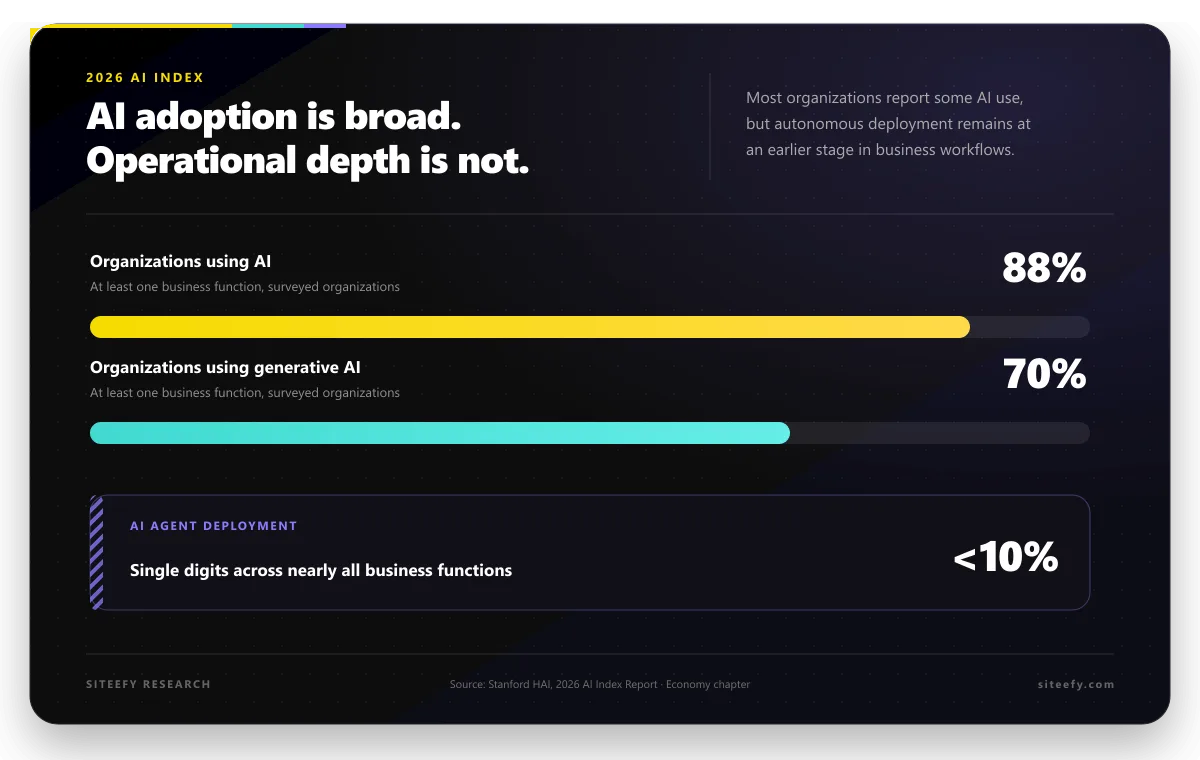
Not long ago, most people thought of AI as something used mainly for writing and content automation. Today, it has expanded into nearly every industry, including field service management, where it helps reduce manual work and improve operations.
Many FSM platforms now use AI for smarter scheduling, automated dispatching, job summary generation, and predictive maintenance insights.
For example, ServiceTitan uses automation and intelligence tools to improve dispatch and operations, SAP Field Service Management includes AI-powered scheduling and resource optimization, and ServiceNow Field Service Management supports AI-driven workflows for enterprise service teams.
For small businesses, the value is simple: less paperwork, fewer mistakes, and faster service delivery.
Stop Researching, Start Testing
Look, you could spend another month reading comparison articles and watching product demos. Or you could pick one of these seven different field service management platforms, sign up for a free trial, and see how it handles your actual workflow by Friday.
The field service management solution that transforms your field service business isn't the one with the flashiest dashboard or the longest feature list.
It's the one your service teams open without being reminded, the one that turns a 20-minute payment process into a 30-second tap, the one that finally makes your customer satisfaction scores reflect the work you're actually doing.
Every day you run your field management on spreadsheets and group texts is a day you're leaving money and sanity on the table. Pick a tool. Test it. Streamline operations. Your future self, the one checking a clean dashboard from the couch instead of chasing paperwork at 9 PM, will thank you.