AI tools are used in many areas today, from entertainment and finance to education and retail. HR is part of this shift too, with teams using AI to answer employee questions, hire faster, and support training.
In 2022, the global AI in HR market was valued at $3.91 billion and is expected to reach $14.83 billion by 2031, showing how quickly AI is becoming part of daily HR work.
In this guide, you’ll find six categories of AI HR tools to help make your HR operations simpler and more effective.
Recruitment & Talent Acquisition Tools
AI tools can handle some of the most time-consuming parts of recruitment. They screen resumes based on job requirements, rank candidates, and match them to the right roles quickly. This speeds up the hiring process and helps recruiters focus on evaluating fit instead of sorting through hundreds of applications.
For example, an AI platform can instantly shortlist candidates who meet specific skill and experience criteria. Some tools also schedule interviews automatically by syncing with calendars, saving recruiters and candidates from long email threads.
Here are a few tools that work well for recruitment:
- Use tools like HireVue to assess video interviews using AI for faster shortlisting.
- Pymetrics uses neuroscience-based games and AI to match candidates to roles based on cognitive and emotional traits.
- Another helpful tool is Paradox’s Olivia, an AI assistant that automates screening, interview scheduling, and communication to keep the hiring process efficient.
 HireVue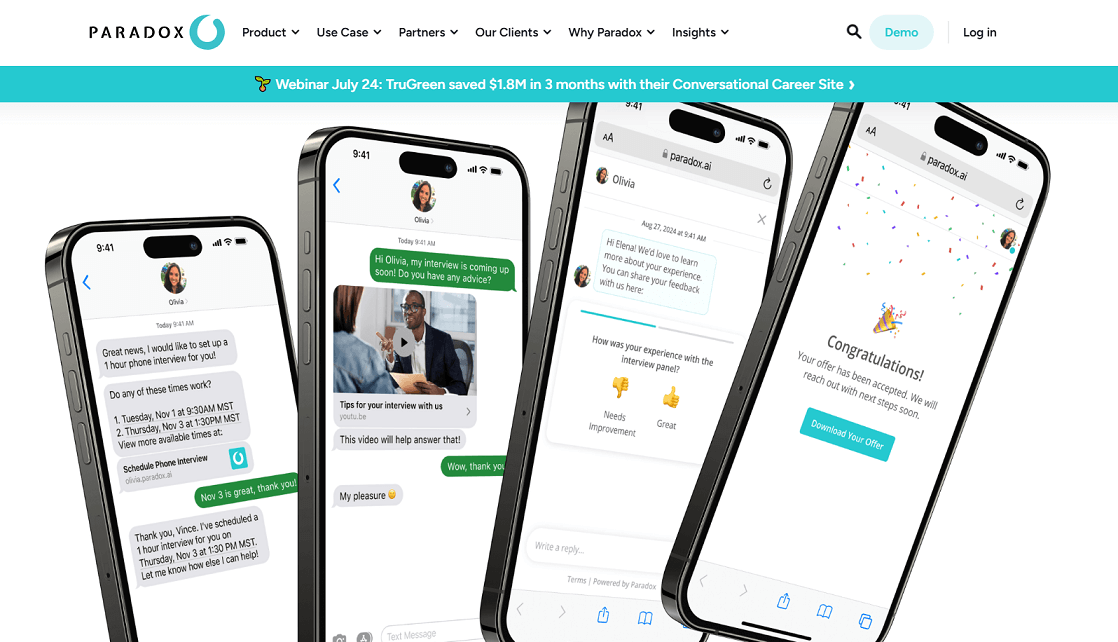
 Paradox
While AI can make hiring smoother, recruiters still play a key role in final decisions and building relationships with candidates.
HR Helpdesk & Support Chatbots
According to Gartner, between June 2023 and January 2024, the number of HR leaders piloting or planning GenAI implementations doubled. Many are focusing on employee-facing chatbots, administrative tasks, and job and skills data, showing how these tools are becoming part of everyday HR work.
HR teams often spend a lot of time answering the same questions every day. Employees want to know their leave balance, how to apply for certain types of leave, claim benefits, or check payroll dates. AI chatbots handle these routine queries quickly without needing a person to reply each time.
For example, when an employee asks about their remaining annual leave, the chatbot pulls this information from the HR system instantly. If someone wants to check the claim process for dental treatment, the chatbot sends the exact steps or links without delay. Employees get help anytime, even outside office hours, which is useful for remote teams or those working different shifts.
Setting up an HR chatbot doesn’t have to be complicated. Start with the top questions employees ask each week, such as leave policies, reimbursement processes, or how to update personal details.
Once people get used to this support, more topics can be added, including onboarding steps or simple IT requests connected to HR systems.
Here are a few tools that work well for HR support chatbots:
- Use tools like Leena AI, which is built specifically for HR queries and connects well with platforms like Workday and SAP.
- Talla is another option that combines AI knowledge management with chatbot support for both HR and IT helpdesks.
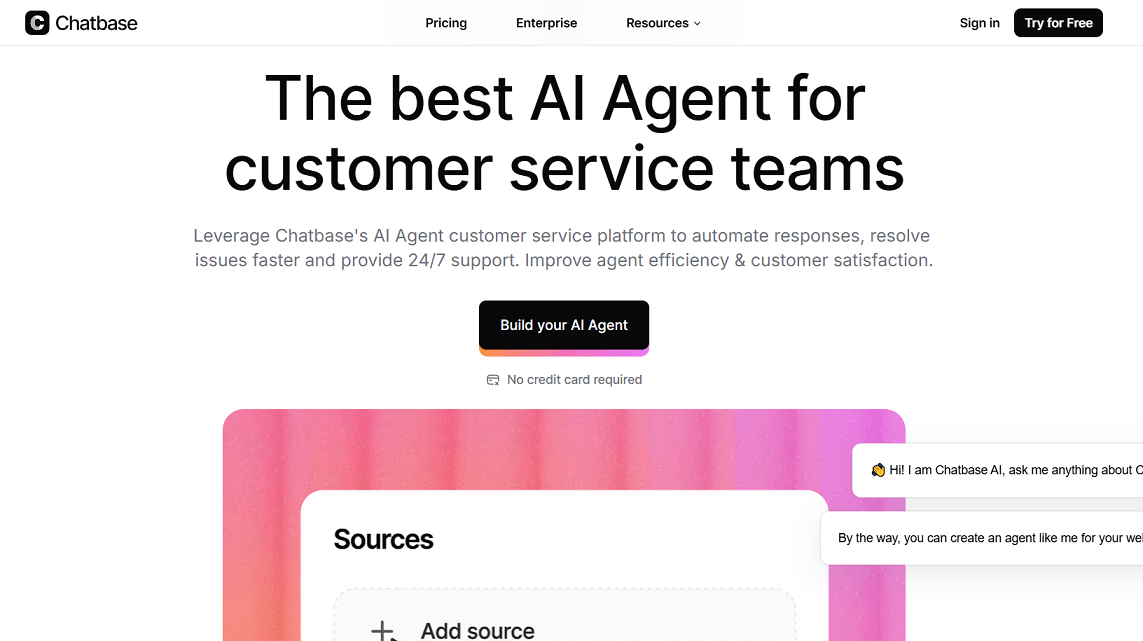
- You can also try Chatbase’s AI agent capabilities to support HR helpdesk tasks. Mainly built for customer service, Chatbase can also handle HR queries, offering 24/7 support and easy integration to save time on routine tasks.
Employees still need to reach HR for sensitive issues, so it helps if the chatbot offers an option to connect them with a team member for anything it can’t resolve. This keeps support efficient while ensuring people feel looked after.
Onboarding & Training Platforms
Another area where AI tools help is onboarding and training. AI onboarding assistants walk new hires through forms, policies, and system setups without constant HR support. This makes settling in smoother and reduces manual tasks for HR teams.
AI-powered learning platforms recommend training modules based on each employee’s role and skills. For example, a new marketing hire might see modules on brand guidelines, content tools, and current campaign workflows as soon as they join.
According to research, AI-driven development programs increased average learning retention rates from 65% to 85%, showing a 30.8% improvement. This highlights how personalised AI training can lead to better learning outcomes for employees.
When setting up AI onboarding tools, start with a clear map of the onboarding journey, from document completion to first-week checklists. Include FAQs and team introductions so new hires can find answers easily without feeling lost. For training, align AI recommendations with the practical tasks employees will handle in their first month to keep learning relevant and useful.
Here are a few tools that work well for onboarding and training:
- Talmundo automates onboarding journeys, sends reminders, and keeps new hires engaged from the moment they accept an offer.
- Docebo offers AI-powered learning platforms that tailor content for different roles, skills, and development goals.
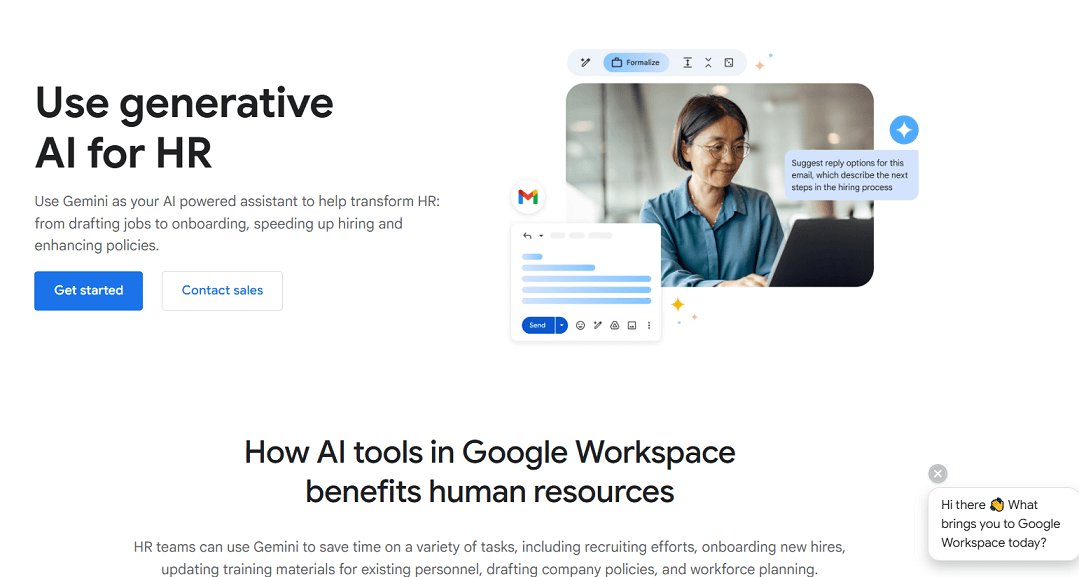
- Gemini (Google Workspace) helps HR teams draft job descriptions, create onboarding checklists, and update training materials to keep them relevant for each role.
 Gemini
AI tools keep onboarding organised and training targeted, freeing up managers to focus on welcoming and connecting with new team members.
Payroll & Benefits Automation
HR teams spend a lot of time managing payroll and benefits each month. Processing salaries and calculating deductions can feel repetitive and stressful. AI tools handle these tasks accurately. This reduces errors that frustrate employees.
Benefits management also becomes easier with AI. Employees can check their benefits or claim status anytime. They don’t have to wait for HR replies. This saves time for HR staff and improves the employee experience.
For example, if someone gets a promotion, an AI payroll system updates their salary automatically. HR doesn’t need to enter changes manually.
Here are a few tools that work well for payroll and benefits automation:
- Rippling combines payroll, benefits, and HR management in one platform to keep everything organised.
- Gusto automates payroll, tax filings, and benefits administration, which is useful for small and mid-sized teams.
- ADP Workforce Now offers payroll and benefits solutions with AI features for larger organisations that need strong compliance support.
 Rippling
 Gusto
Gusto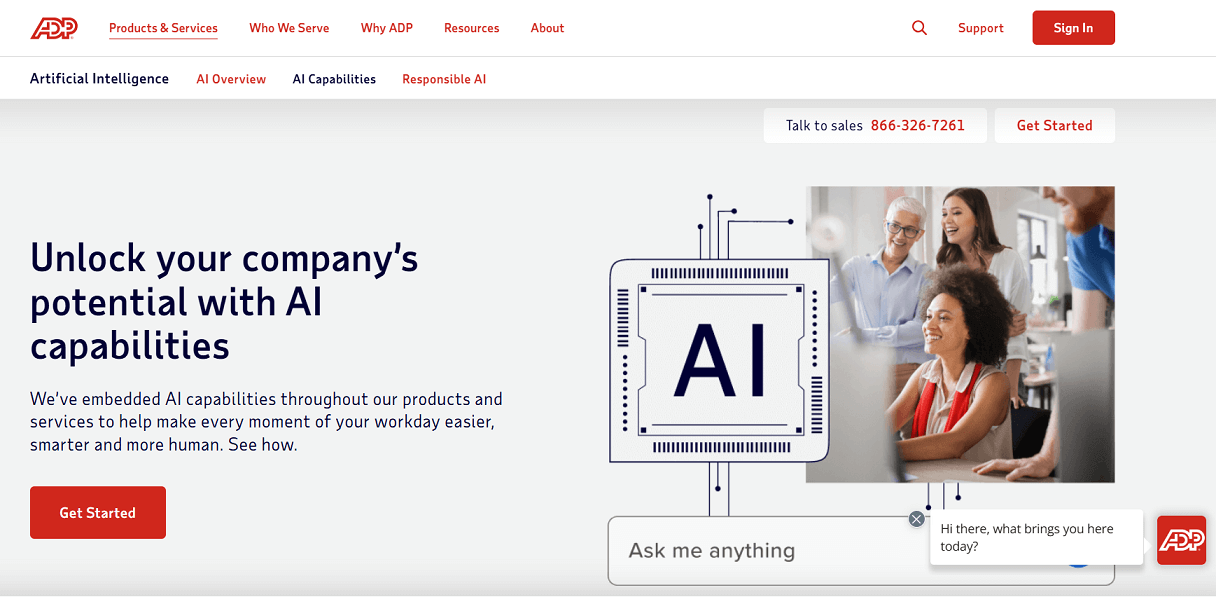
Employee Engagement & Feedback Tools
Understanding how employees feel at work is essential for building a healthy and productive culture. Traditional surveys often take weeks to analyse and may not capture what people actually think. AI tools change this by collecting and analysing feedback in real time.
AI-powered surveys are short and targeted, so employees are more likely to respond. Sentiment analysis tools scan open-text responses to identify emotions and concerns, showing HR where morale is high or low. For example, if many employees mention feeling overwhelmed, AI can detect this pattern and highlight workload issues that need attention.
Some AI tools also track engagement over time, giving HR teams clear trends rather than isolated data points. This helps identify areas that need improvement, whether it’s team communication, recognition, workload balance, or leadership support.
Here are a few tools that support employee engagement and feedback:
- Culture Amp offers AI-powered engagement surveys with insights on what drives satisfaction and performance.
- Peakon (by Workday) analyses feedback in real time and links it to key business outcomes, making it easier to act on data.
- Qualtrics combines AI sentiment analysis with detailed feedback tools, helping HR teams prioritise initiatives that matter most to employees.
Performance Management Solutions
AI tools are also changing how performance management works. These tools analyse review feedback, track goals, and highlight patterns in employee performance. Managers gain clearer insights into team strengths and areas needing development.
For example, AI scans review comments to find skills that stand out or areas where employees need extra support. Goal-tracking features send updates and reminders to keep objectives aligned with team and company priorities.
Here are a few tools that support performance management:
- Lattice organises reviews, tracks goals, and encourages regular feedback between managers and employees.
- Betterworks aligns team goals with company strategies and analyzes performance data to guide development plans.
- 15Five combines performance reviews with engagement insights to support coaching and employee growth.
Final Words
If you’re working in HR, there are many AI solutions you can explore to make your day-to-day work easier. We’ve gathered some of the key tools in this article, but AI is changing fast, and new options keep coming up.
If you’re already using AI tools in your HR work, it would be great to hear what’s working for you. Feel free to share your thoughts and experiences.