Article

44 Website Ideas for Beginners and Pros

Want to start a website? Check out these proven website ideas for both beginners and seasoned pros! Simple Website Ideas Website Idea #1: Blog πŸŸ’β€¦ Read more

Nov 18, 202449 min read

Want to start a website?

Check out these proven website ideas for both beginners and seasoned pros!


Website Idea #1: Blog

🟒 Difficulty Easy
πŸ’Έ Startup Costs Low
πŸ“ˆ Competition Very High
✍️ Great For Anyone who wants to start a website
🌱 Learning Curve Manageable, great for beginners
πŸ’° Monetization Methods Ads, sponsored posts, affiliate marketing, digital products
πŸ› οΈ Tools Needed Blogging platform, domain name, web hosting

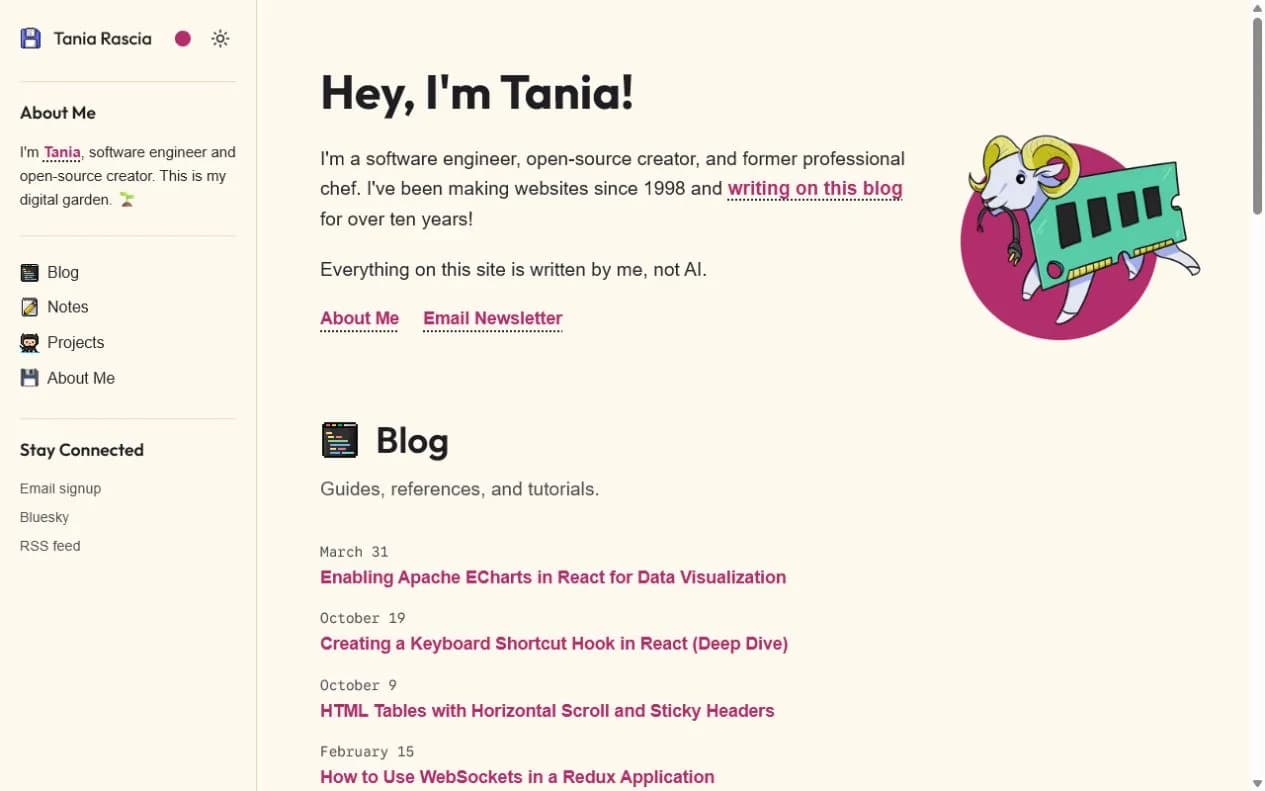
If you’re thinking about starting a website but don’t have a specific idea in mind, consider creating a blog.

It’s a simple way to get started online, learn new skills, and explore your interests.

πŸš€ How To Start a Blog

  1. Choose a niche: Focus on a topic you’re passionate about.
  2. Pick a platform: Popular options include WordPress, Blogger, and Wix.
  3. Register a domain name: Select a unique and memorable web address.
  4. Set up hosting: Find a reliable web hosting service.
  5. Design your blog: Customize the layout and design to match your style.
  6. Create content: Start writing and publishing posts.
  7. Promote your blog: SEO optimized, share on social media, and engage with readers.

πŸ† What You Can Achieve

βœ”οΈ Strong online presence

βœ”οΈ Improved SEO and marketing skills

βœ”οΈ Side income

βœ”οΈ Community connections

βœ”οΈ Networking opportunities

βœ”οΈ Establishing Authority

⚠️ Things To Remember

βœ”οΈ Stay consistent

βœ”οΈ Know your audience

βœ”οΈ Be patient

βœ”οΈ Prioritize quality over quantity

βœ”οΈ Interact with your readers

βœ”οΈ If you use AI, humanize the text so it reads naturally for your readers.

πŸ› οΈ Tools & Resources

Website Idea #2: Niche Store

🟒 Difficulty Medium
πŸ’Έ Startup Costs Low
πŸ“ˆ Competition High
✍️ Great For People with experience in e-commerce and market research who don’t mind taking risks
🌱 Learning Curve Moderate
πŸ’° Monetization Methods Niche product sales, ads, affiliate marketing, subs/memberships
πŸ› οΈ Tools Needed E-commerce platform, domain name, hosting, payment gateway, inventory management software

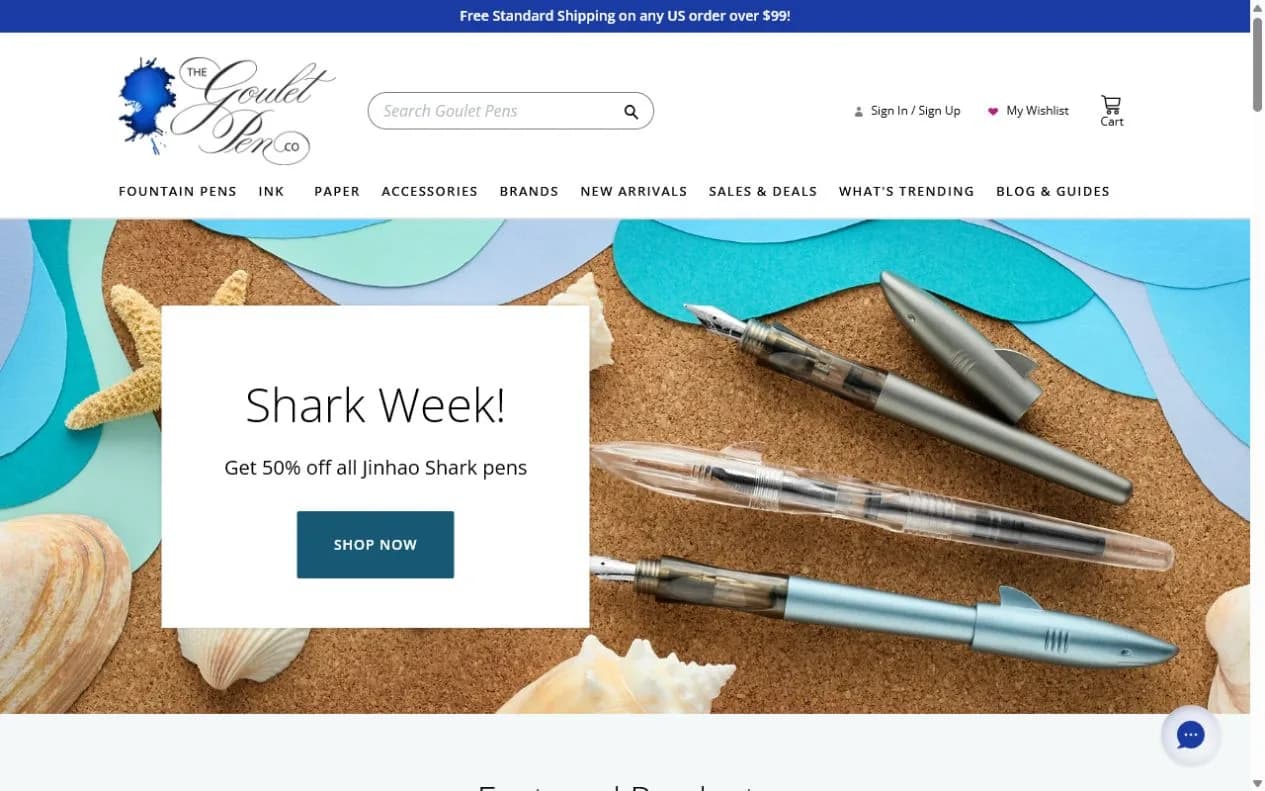
A niche is a segment of the larger market comprising a specific audience. A niche store addresses needs that a general store doesn’t. For instance, there are clothes for plus-sized women in the women’s clothing market.

πŸš€ How To Start a Niche Store

  1. Identify a niche: Choose a specific market segment with a defined target audience.
  2. Conduct market research: Analyze your target audience, competitors, and potential product offerings. Use keyword research tools.
  3. Build a brand identity: Develop a unique brand name, logo, and visual style.
  4. Choose an E-commerce platform: Select a platform that suits your needs and budget (Shopify, WooCommerce, BigCommerce, etc.).
  5. Design your online store: Create an attractive and user-friendly website design.
  6. Source your products: Find reliable suppliers or manufacturers for your niche products.
  7. Set up shipping and payments: Configure shipping rates, payment gateways, and tax settings.
  8. Develop a marketing strategy: Create a plan to reach your target audience through SEO, social media, email marketing, and other channels.

πŸ† What You Can Achieve

βœ”οΈ Revenue growth

βœ”οΈ Targeted customer base

βœ”οΈ Community connection

βœ”οΈ Higher conversion rates

βœ”οΈ Better SEO & focused marketing

⚠️ Things To Remember

βœ”οΈ Offer unique products

βœ”οΈ Ensure easy navigation

βœ”οΈ Provide great customer support

βœ”οΈ Use diverse marketing channels

βœ”οΈ Monitor and optimize regularly

πŸ› οΈ Tools & Resources

Website Idea #3: Statistics Website

🟒 Difficulty Challenging
πŸ’Έ Startup Costs Medium to High
πŸ“ˆ Competition High
✍️ Great For Data enthusiasts with a background in statistics, data analysis, and data visualization
🌱 Learning Curve Moderate to Steep
πŸ’° Monetization Methods Sales of products and services, ads, affiliate marketing, subscription
πŸ› οΈ Tools Needed Statistics and data analysis tools, data visualization and web development tools, hosting, domain, analytics tools

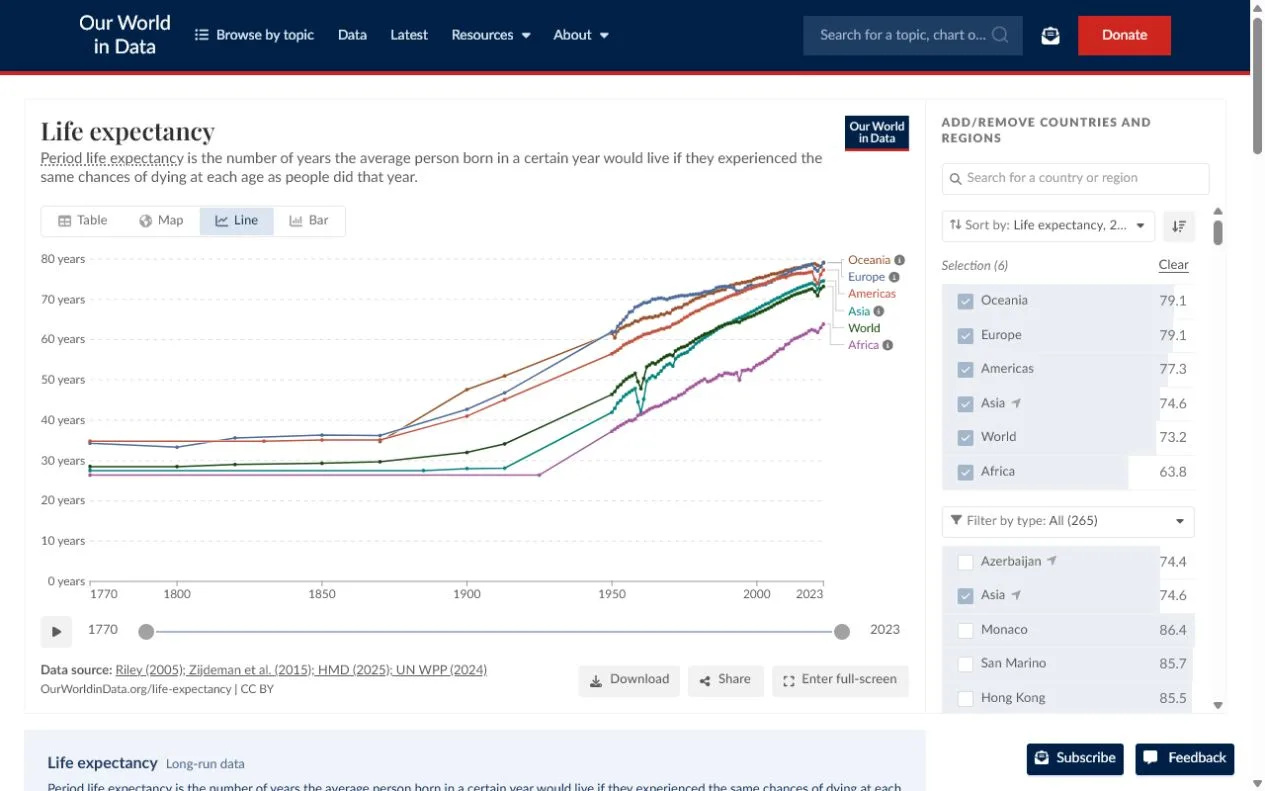
A statistics website provides data, trends, and insights on a range of topics, helping users make informed decisions. If you enjoy working with numbers and translating data, a statistics website lets you share insights with a wide audience

πŸš€ How To Start a Statistic Website

  1. Define a niche: Decide on a specific area of statistics to focus on.
  2. Data sources: Identify and secure reliable data sources.
  3. Data visualization tools: Develop a unique brand name, logo, and visual style.
  4. Domain and hosting: Select a memorable domain name and reliable hosting service.
  5. Website design: Create a user-friendly and visually appealing website.
  6. Content creation: Develop high-quality content that explains and analyzes the data.
  7. Optimize for SEO: Improve your website’s search engine ranking.
  8. Promote your website: Use social media, email marketing, and other channels.
  9. Monetization strategy: In addition to sales of statistical reports, explore different monetization methods such as ad placements and sponsored content.

πŸ† What You Can Achieve

βœ”οΈ Revenue generation

βœ”οΈ Trusted credibility

βœ”οΈ Educated visitors

βœ”οΈ Global reach

βœ”οΈ Better SEO & focused marketing

⚠️ Things To Remember

βœ”οΈ Ensure the accuracy of data.

βœ”οΈ Use only reputable sources

βœ”οΈ Provide great customer support

βœ”οΈ Use diverse marketing channels

βœ”οΈ Monitor and optimize regularly


Website Idea #4: Interview Blog

🟒 Difficulty Medium
πŸ’Έ Startup Costs Low
πŸ“ˆ Competition Medium
✍️ Great For Journalists and content creators who enjoy conducting interviews
🌱 Learning Curve Moderate
πŸ’° Monetization Methods Subscription, ads, affiliate marketing, sponsored content, digital products
πŸ› οΈ Tools Needed Content management system, hosting, domain, recording software, transcription services

An interview blog is a platform where you publish conversations with interesting people in your field. It’s a way to share insights, stories, and expertise directly from your guests.

πŸš€ How To Start an Interview Blog

  1. Pick your field: Choose a specific industry to attract a targeted audience.
  2. Research your audience: Understand the interests and needs of your audience.
  3. Develop a Brand: Choose an appealing name for your blog and create a consistent visual identity.
  4. Choose a platform: Select a suitable blogging platform like WordPress or Wix.
  5. Interview preparation: Research potential interviewees and prepare thoughtful questions.
  6. Content creation: Develop high-quality content by transcribing and editing interviews.
  7. Promotion and marketing: Promote your blog through social media and interview collaborations.
  8. Engage with an audience: Encourage comments and feedback from your listeners.
  9. Monetization strategy: Consider different monetization methods such as sponsored posts and ad placements.

πŸ† What You Can Achieve

βœ”οΈ Thought leadership

βœ”οΈ Industry networking

βœ”οΈ Media recognition

βœ”οΈ Informed audience

βœ”οΈ Lead generation

⚠️ Things To Remember

βœ”οΈ Select the right guests

βœ”οΈ Maintain high content quality

βœ”οΈ Share on social media

βœ”οΈ Post consistently

βœ”οΈ Monetize effectively

πŸ› οΈ Tools
  • WordPress or Wix: Platforms for building and managing your blog.
  • Zoom or Riverside.fm: For recording remote interviews with guests.
  • Otter.ai: Transcription tool to turn audio interviews into text for blog content.
  • Audacity (free): Basic audio editing software to edit recordings and improve sound quality.
  • Buffer or Hootsuite: Social media tools to schedule and promote your interviews on different platforms.

Website Idea #5: Humor Website

🟒 Difficulty Medium
πŸ’Έ Startup Costs Low
πŸ“ˆ Competition High
✍️ Great For Creative individuals and humor enthusiasts
🌱 Learning Curve Moderate
πŸ’° Monetization Methods Ads, sponsored content, merchandise, donations
πŸ› οΈ Tools Needed Content management system, web hosting, humor content generators, graphic design tool


If you’re a humorist or someone with a knack for making people laugh, creating a humor website can be a powerful way to share your unique voice.

With the right approach, your site can become a go-to destination for audiences seeking fresh, entertaining content.

πŸš€ How To Start a Humor Website

  1. Define your niche: Choose a specific industry to attract a targeted audience.
  2. Create a content strategy: Plan your content types.
  3. Choose a platform: Choose a blogging platform that suits your needs, such as WordPress or Wix.
  4. High-quality content: Produce funny, original, and engaging content.
  5. Engage with an audience: Encourage comments and feedback from your listeners.
  6. Monetization strategy: Explore various monetization methods such as sponsored posts and ad placements.

πŸ† What You Can Achieve

βœ”οΈ Engaging content

βœ”οΈ Loyal audience

βœ”οΈ Industry recognition

βœ”οΈ Community engagement

βœ”οΈ Monetizing traffic

⚠️ Things To Remember

βœ”οΈ Offer content variety

βœ”οΈ Avoid offensive humor

βœ”οΈ Partner with humorists

βœ”οΈ Run giveaways

βœ”οΈ Provide regular updates

πŸ› οΈ Tools
  • WordPress: Content management system to build and manage your website easily.
  • Giphy: Tool for finding and creating GIFs to add humor and engagement to your content.
  • Google Analytics: Free tool to track website traffic and understand audience behavior.
  • Buffer: Social media scheduling tool to share humorous content consistently across platforms.
  • Mailchimp: Email marketing platform to send newsletters and engage your audience with funny updates.

Website Idea #6: Leadership Blog

🟒 Difficulty Medium
πŸ’Έ Startup Costs Low
πŸ“ˆ Competition Medium
✍️ Great For Professionals passionate about leadership, personal growth, and helping others develop leadership skills
🌱 Learning Curve Moderate
πŸ’° Monetization Methods Coaching services, digital products (e-books, courses), ads, affiliate marketing, donations
πŸ› οΈ Tools Needed Content management system, web hosting, email marketing platform, graphic design tool, analytics tool

A leadership blog shares insights, guidance, and practical advice on becoming a better leader. It helps readers build leadership skills and overcome challenges.

πŸš€ How To Start a Leadership Blog

  1. Define your focus: Choose a niche within leadership (e.g., corporate leadership, emotional intelligence, self-leadership).
  2. Develop a content plan: Create a mix of topics, including personal stories, techniques, and leadership tips.
  3. Set up your blog: Use a platform like WordPress, choose a domain, and design your site.
  4. Write content: Share actionable advice, relevant quotes, and real-life examples.
  5. Build your audience: Promote content through SEO, social media, and email newsletters.
  6. Monetize strategically: Offer resources like e-books, webinars, or coaching sessions

πŸ† What You Can Achieve

βœ”οΈ Leadership authority

βœ”οΈ Connections with industry experts

βœ”οΈ Income from products & coaching

βœ”οΈ Loyal, engaged audience

⚠️ Things To Remember

βœ”οΈ Post consistently

βœ”οΈ Offer practical, actionable advice

βœ”οΈ Use real examples

βœ”οΈ Follow leadership trends


Website Idea #7: Quotes and Aphorisms

🟒 Difficulty Medium
πŸ’Έ Startup Costs Low
πŸ“ˆ Competition High
✍️ Great For Writers, creatives, and philosophy enthusiasts interested in curating and sharing inspiring content
🌱 Learning Curve Low to Moderate
πŸ’° Monetization Methods Ads, affiliate marketing, sponsored posts, digital products (e.g., e-books, printables), merchandise
πŸ› οΈ Tools Needed Content management system, hosting, graphic design tool, social media management tool, email marketing platform, analytics tool

Every day, people look up famous quotes and aphorisms to use in their books, reports, and sites. By providing a single location, you can tap into a considerable audience and build up the visitors to your site.

πŸš€ How To Start a Quotes & Aphorisms Website

  1. Choose a theme: Focus on a specific type of quote (e.g., motivational, philosophical, humor) or a niche audience (e.g., self-help, entrepreneurs, writers).
  2. Collect great quotes: Gather a selection of meaningful quotes and aphorisms. Make sure they’re accurate and properly credited.
  3. Set up your website: Use a platform like WordPress or Squarespace, choose a memorable domain, and design a simple, clean layout for easy browsing.
  4. Create visuals: Design graphics or images with quotes for social media and website use.
  5. Promote your website: Share quotes regularly on social media platforms like Instagram and Pinterest. Use SEO to help people find your site.
  6. Explore ways to earn: Consider ads, affiliate links, or selling digital products like e-books or printable quote collections. You could also sell merchandise with popular quotes.

πŸ† What You Can Achieve

βœ”οΈ Daily inspiration source

βœ”οΈ Recognizable quotes brand

βœ”οΈ Steady income

βœ”οΈ High traffic potential

⚠️ Things To Remember

βœ”οΈ Proper quote attribution

βœ”οΈ Visually appealing content

βœ”οΈ Copyright compliance

βœ”οΈ Regular posting

⚑ Example Websites

Website Idea #8: Lifehacks Website

🟒 Difficulty Low to Medium
πŸ’Έ Startup Costs Low to Medium
πŸ“ˆ Competition Medium to High
✍️ Great For People who enjoy sharing practical tips, DIY enthusiasts, productivity and organization fans
🌱 Learning Curve Easy to Moderate
πŸ’° Monetization Methods Ads, affiliate marketing, sponsored posts, digital Ads, affiliate marketing, sponsored posts, digital products (e.g., e-books, checklists)
πŸ› οΈ Tools Needed Content management system, graphic design tool, social media management tool, hosting, analytics tool

People constantly search for practical lifehacks to simplify their routines, save time, and boost productivity. A dedicated lifehacks site can attract a wide audience eager for useful tips, helping you build significant traffic

πŸš€ How To Start a Lifehacks Website

  1. Define your niche: Choose a specific industry to attract a targeted audience.
  2. Build your site: Choose a platform like WordPress, register a memorable domain, and design a clean, accessible layout.
  3. Create useful lifehacks: Develop original, actionable tips that solve everyday problems and make tasks easier.
  4. Promote and engage: Use SEO, email newsletters, social media, and collaborations to grow your audience.
  5. Explore revenue streams: Consider ads, affiliate links, or selling digital downloads like checklists and e-books.

πŸ† What You Can Achieve

βœ”οΈ Trusted resource for lifehacks

βœ”οΈ Partnership opportunities

βœ”οΈ Steady earnings

βœ”οΈ Strong search engine visibility

⚠️ Things To Remember

βœ”οΈ Share only tested, reliable tips

βœ”οΈ Use images

βœ”οΈ Give credit if using others’ ideas

βœ”οΈ Regular posting

⚑ Example Websites

Website Idea #9: Travel Blog

🟒 Difficulty Medium
πŸ’Έ Startup Costs Low to Medium
πŸ“ˆ Competition High
✍️ Great For Passionate travelers, photographers, and storytellers who enjoy sharing travel experiences and tips
🌱 Learning Curve Moderate
πŸ’° Monetization Methods Sponsored posts, affiliate marketing, ads, donations, travel guides or e-books, brand partnerships
πŸ› οΈ Tools Needed Content management system, photo editing software, social media management tool, hosting, domain, analytics tool

If you love traveling, you can set up a website to record your adventures and keep your fans intrigued while still making money on the side.

πŸš€ How To Start a Travel Blog

  1. Choose a focus: Decide on a specific area of travel, such as budget adventures, luxury destinations, solo journeys, or family vacations.
  2. Domain and hosting: Pick a memorable domain name and a reliable hosting service for a smooth reader experience.
  3. Create content: Write detailed guides, itineraries, and personal stories from your travels. Include tips, recommendations, and engaging narratives.
  4. Photography and editing: Capture high-quality photos and edit them to make your blog visually engaging.
  5. Promote your blog: Share your content on social media platforms like Instagram, Pinterest, and Facebook to reach travel enthusiasts.
  6. Optimize for SEO: Use travel-related keywords to optimize your posts and attract organic search traffic.
  7. Explore income options: Consider earning through ads, affiliate links (e.g., hotels, travel gear), sponsored posts, or selling travel guides and e-books.

πŸ† What You Can Achieve

βœ”οΈ Unique travel discoveries

βœ”οΈ Connections with local experts

βœ”οΈ Practical travel guidance

βœ”οΈ Reader inspiration for adventure

⚠️ Things To Remember

βœ”οΈ Safety tips for travelers

βœ”οΈ Highlight eco-friendly options

βœ”οΈ Respect for local culture

βœ”οΈ Update on travel restrictions

⚑ Example Websites
  • Cookiesound – A mother and daughter travel the world, take photos and share stories
  • The Savvy BackPacker – Provides useful content to help plan backpacking tours globally
πŸ’° In-Demand Travel Blog Ideas
  • Boats
  • Bikes
  • Drones
  • RV enhancements
  • Cat tourism
  • Mountaineering
  • Storm chasing

Website Idea #10: Fashion Blog

🟒 Difficulty Medium
πŸ’Έ Startup Costs Low to Medium
πŸ“ˆ Competition High
✍️ Great For Fashion enthusiasts, stylists, photographers, and influencers
🌱 Learning Curve Moderate
πŸ’° Monetization Methods Sponsored posts, affiliate marketing, ads, styling consultations, online courses, fashion guides or e-books, brand partnerships, merchandise
πŸ› οΈ Tools Needed Content management system, photo editing software, social media management tool, e-commerce integration, analytics tool

Fashion is an evergreen website idea. You can blog about the latest fashion trends, offer fashion advice, focus on children’s clothes, women’s shoes, and more. A blog is a regularly updated website or web page with informative content

πŸš€ How To Start a Fashion Blog

  1. Choose a micro-niche: Focus on a specific area, like eco-friendly fashion, plus-size styling, vintage thrifting, minimalist wardrobes, or petite fashion.
  2. Get a domain and hosting: Pick a memorable domain name and a reliable hosting service.
  3. Create quality content: Share niche-specific ideas like styling tips, outfit inspiration, brand reviews, and trend insights.
  4. Promote and Monetize: Grow your audience on social media, then earn through sponsored posts, affiliate links, and digital products.

πŸ† What You Can Achieve

βœ”οΈ Authority in your fashion niche

βœ”οΈ Exclusive brand collaborations

βœ”οΈ Reliable income

βœ”οΈ Influence on fashion trends

⚠️ Things To Remember

βœ”οΈ Stay updated on trends

βœ”οΈ Balance quality and quantity

βœ”οΈ Track analytics

βœ”οΈ Adapt to feedback

⚑ Example Websites
  • Elle – Features beauty tips, celebrity trends, and fashion news
  • Put This On – Shares tips on how to dress like a grownup
πŸ’° In-Demand Fashion Blog Ideas
  • Sewing Tutorials
  • Cinema Fashion
  • Luxury For Less
  • Women’s Shoes
  • Men’s Shoes
  • Maternity Wear
  • DIY Wedding Style
  • College Personal Style
  • Celebrity Fashion
  • Vintage Fashion

Website Idea #11: Save Money

🟒 Difficulty Medium
πŸ’Έ Startup Costs Low
πŸ“ˆ Competition High
✍️ Great For Budget-conscious individuals, personal finance enthusiasts, and frugal living advocates
🌱 Learning Curve Moderate
πŸ’° Monetization Methods Affiliate marketing, sponsored posts, ads, digital products (like budgeting templates or e-books), online courses, consulting
πŸ› οΈ Tools Needed Content management system, SEO tools, email marketing platform, analytics tool, graphic design tool

A save money website is about real and practical ways to save money. You can incorporate affiliate marketing and post often to grow your audience.

πŸš€ How To Start a Save Money Blog

  1. Choose a niche: Focus on frugal living, budgeting tips, or financial hacks.
  2. Set up your site: Get a domain and hosting, then design a simple, user-friendly layout.
  3. Create helpful content: Share actionable saving tips, guides, and personal finance insights.
  4. Promote: Promote on social media and connect with readers
  5. Monetize: Earn through ads, affiliate links, and sponsored content.

πŸ† What You Can Achieve

βœ”οΈ Trusted savings resource

βœ”οΈ Loyal reader base

βœ”οΈ Income opportunities

βœ”οΈ Positive financial impact

⚠️ Things To Remember

βœ”οΈ Share easy, actionable advice

βœ”οΈ Post regularly to build trust

βœ”οΈ Respond to comments

βœ”οΈ Offer budgeting apps

⚑ Example Websites
  • Mint – Covers budgeting, travel jobs, family finances, and money etiquette
  • Money Crashers – Provides information on saving, credit cards, and investment
  • Well Kept Wallet – Has tips on making money, paying off debt, and saving
πŸ’° In-Demand Save Money Website Ideas
  • Saving money
  • Frugal living
  • Money advice for millennials
  • Paying off debt
  • How to make money
  • Credit cards
  • Investment advice

Website Idea #12: Video Games

🟒 Difficulty Challenging
πŸ’Έ Startup Costs Low to Medium
πŸ“ˆ Competition High
✍️ Great For Gamers, reviewers, content creators, and gaming enthusiasts
🌱 Learning Curve Moderate to Steep
πŸ’° Monetization Methods Affiliate marketing, sponsored posts, ads, merchandise, game reviews, YouTube advertising, live streaming, digital products (like guides or e-books)
πŸ› οΈ Tools Needed Content management system, SEO tools, video editing software, social media management tool, analytics tool, graphic design tool

There is a growing video game culture globally, so it comes as no surprise that in this era of niche blogging, it’s easy to turn what was considered a hobby into a full-time online career – a video game website.

πŸš€ How To Start a Video Games Website

  1. Define your goals: Decide on your website’s purpose (e.g., building a community, generating income, or sharing your passion for gaming).
  2. Pick a niche: Select a specific theme, like game reviews, news, or tutorials to differentiate yourself.
  3. Set up your site: Use a content management system like WordPress with a reliable host (e.g., Bluehost or SiteGround).
  4. Create quality content: Post reviews, guides, and news consistently. Tools like Canva (for graphics) and OBS Studio (for gameplay recording) are helpful.
  5. Grow & earn: Build an audience on social media, improve SEO for traffic, and generate income with ads, affiliate links, or Patreon.

πŸ† What You Can Achieve

βœ”οΈ Recognition as a gaming expert

βœ”οΈ Partnerships with gaming brands

βœ”οΈ Income from ads and sponsorships

βœ”οΈ Active community of gamers

⚠️ Things To Remember

βœ”οΈ Invest in design tools

βœ”οΈ Write clear game descriptions

βœ”οΈ Share honest reviews

βœ”οΈ Encourage viewer interaction

⚑ Example Websites
  • Polygon – Offers game reviews, news, opinion pieces, and in-depth articles on gaming culture.
  • Metacritic – Aggregates reviews from various gaming sites, giving an overall score for each game.
  • Niche Gamer: This website began as the destination for visual novel games, but it introduced more mainstream to its audience as it gained its popularity.
πŸ’° In-Demand Video Games Website Ideas
  • Game reviews and ratings
  • Gaming news and industry updates
  • Game guides and tutorials
  • Esports news and analysis
  • Game streaming tips and setup guides

Website Idea #13: Self-Help

🟒 Difficulty Easy
πŸ’Έ Startup Costs Low
πŸ“ˆ Competition Very high
✍️ Great For Those passionate about personal development
🌱 Learning Curve Beginner-friendly
πŸ’° Monetization Methods Ads, sponsored posts, affiliate marketing, digital products (e-books, courses, coaching)
πŸ› οΈ Tools Needed Blogging platform, domain name, web hosting, email marketing tool, SEO tool

You can use your personal experiences and combine them with effective tips on improving your audience’s lives.

It’s easy to set up and you can build a big audience if your site is personable.

πŸš€ How To Start a Self-Help Website

  1. Choose a focus: To reach a targeted audience, identify specific self-help topics like mindfulness, productivity, or mental health.
  2. Launch your site: Get a domain name and web hosting, and set it up using a platform like WordPress.
  3. Create helpful content: Write insightful articles, guides, or personal stories that genuinely help readers improve their lives.
  4. Promote & grow: Share your content on social media, build an email list, and optimize for SEO to increase traffic.
  5. Monetize your site: Earn through ads, affiliate links, sponsored posts, or by selling e-books, courses, and coaching services.

πŸ† What You Can Achieve

βœ”οΈ Library of self-help resources

βœ”οΈ Partnerships with wellness brands

βœ”οΈ Interactive webinars and Q&As

⚠️ Things To Remember

βœ”οΈ Share genuine experiences

βœ”οΈ Foster a supportive community

βœ”οΈ Write in a positive, supportive voice

⚑ Example Websites
  • James Clear – Offers insights on habit-building and personal productivity.
  • Nir And Far – Provides science-backed tips for building healthy habits, boosting productivity, and managing distractions.
  • The Positivity Blog: Offers practical tips on happiness, self-esteem, productivity, and reducing stress.
πŸ’° In-Demand Self-Help Website Ideas
  • Personal finance and wealth-building
  • Productivity and time management
  • Mental health and mindfulness
  • Relationship and dating advice
  • Career growth and success coaching

Website Idea #14: Weight Loss

🟒 Difficulty Challenging
πŸ’Έ Startup Costs Medium
πŸ“ˆ Competition High
✍️ Great For Fitness enthusiasts, dieticians, personal trainers, and wellness coaches
🌱 Learning Curve Moderate to Steep
πŸ’° Monetization Methods Affiliate marketing, ads, selling meal plans or workout guides, online coaching, subscription memberships
πŸ› οΈ Tools Needed Content management system, email marketing tool, fitness and nutrition apps, SEO tools, hosting, domain, analytics tools

It seems everyone wants to know how to lose weight. If you’ve taken off the pounds, you can tell others what you did.

πŸš€ How To Start a Weight Loss Website

  1. Define your focus: Target a specific area like beginner weight loss, low-carb diets, or home workouts.
  2. Get domain & hosting: Pick a memorable name and a reliable host.
  3. Build your website: Use platforms like WordPress for easy setup and customization.
  4. Develop useful content: Offer meal plans, workout routines, and inspirational success stories.
  5. Grow your audience and monetize: Use SEO, social media, and earn through ads, affiliate products, or personalized coaching.

πŸ† What You Can Achieve

βœ”οΈ Trusted weight loss resource

βœ”οΈ Collaborations with health brands

βœ”οΈ Income from ads and products

βœ”οΈ Influence in fitness and nutrition

⚠️ Things To Remember

βœ”οΈ Offer actionable advice

βœ”οΈ Provide science-backed information

βœ”οΈ Foster a supportive community

βœ”οΈ Write in a positive, supportive voice

⚑ Example Websites
✨ In-Demand Weight Loss Website Ideas
  • Personalized weight loss coaching and meal plans
  • Healthy recipe blog with affiliates
  • Online weight loss challenges
  • Weight loss product reviews and affiliate marketing
  • Weight loss courses and membership site

Website Idea #15: Wedding Site

🟒 Difficulty Medium
πŸ’Έ Startup Costs Low to Medium
πŸ“ˆ Competition Very High
✍️ Great For Creative and organized individuals interested in weddings, event planning, or content creation
🌱 Learning Curve Low to Moderate
πŸ’° Monetization Methods Affiliate marketing, ads, digital product sales (wedding planning guides or templates), vendor sponsorships, subscription memberships
πŸ› οΈ Tools Needed Website builder, hosting, domain, graphic design software, email marketing, social media scheduling, booking & appointment and analytics tools

Weddings never go out of style, so you can build a popular blog starting with your own wedding.

πŸš€ How To Start a Wedding Website

  1. Find your niche: Choose a unique angle, like budget-friendly weddings, local vendor guides, or eco-conscious wedding ideas.
  2. Secure a domain & platform: Register a memorable domain name and use an easy website builder to get started.
  3. Craft practical resources: Develop content like wedding planning timelines, budget trackers, vendor spotlights, and decor inspiration.
  4. Promote your content: Use Pinterest and Instagram to share inspirational images, attract engaged couples, and build an email list to keep them connected.
  5. Set up revenue streams: Earn through affiliate links (wedding products, decor), vendor sponsorships, downloadable planning tools, or paid memberships for exclusive content.

πŸ† What You Can Achieve

βœ”οΈ Streamlined wedding planning resources

βœ”οΈ Inspiration for unique themes

βœ”οΈ Earnings from wedding vendor sponsorships

⚠️ Things To Remember

βœ”οΈ Feature real-life wedding stories

βœ”οΈ Build local expertise

βœ”οΈInvest in quality photos or collaborate with photographers

βœ”οΈ Partner with wedding influencers

✨ In-Demand Wedding Website Ideas
  • Local vendor directory
  • DIY wedding planning tools
  • Wedding inspiration blog
  • Budget-friendly wedding tips
  • Wedding courses and guides

Website Idea #16: Celebrity Site

🟒 Difficulty Medium
πŸ’Έ Startup Costs Low to Medium
πŸ“ˆ Competition Very High
✍️ Great For People interested in celebrity news, entertainment, pop culture, and trends
🌱 Learning Curve Easy to Moderate
πŸ’° Monetization Methods Ads, affiliate marketing, exclusive celebrity news subscriptions, fan merchandise sales, sponsored celebrity interviews
πŸ› οΈ Tools Needed CMS, web hosting, social media tools, graphic design software, analytics

A celebrity website is an online platform dedicated to providing information, updates, and content about famous individuals like actors, musicians, or influencers.

It can be an official site run by a celebrity or a fan/entertainment site focused on news, lifestyle, or community for fans.

πŸš€ How To Start a Celebrity Blog

  1. Define the website’s purpose: Decide if the site will focus on news, fashion, lifestyle, or a specific celebrity.
  2. Choose a platform: Use a website builder (like WordPress or Wix) or hire a developer.
  3. Create essential pages: Include sections for news, photos, videos, and any unique content (like fan forums or exclusive content).
  4. Promote and update regularly: Share the site on social media and keep content fresh to attract fans.

πŸ† What You Can Achieve

βœ”οΈ Centralized brand hub

βœ”οΈ Fan loyalty and retention

βœ”οΈ Event promotion and ticket sales

⚠️ Things To Remember

βœ”οΈ Use only legally owned or licensed content

βœ”οΈ Encourage fans to share artwork, stories, or testimonials


⚑ Example Websites
✨ In-Demand Celebrity Blog Ideas
  • Celebrity gossip & news hub
  • Celebrity fashion & beauty guide
  • Fan community platform
  • Celebrity lifestyle & wellness blog

Website Idea #17: Learn a Foreign Language Website

🟒 Difficulty Medium
πŸ’Έ Startup Costs Low to Medium
πŸ“ˆ Competition High
✍️ Great For Language enthusiasts, teachers, tutors, and polyglots
🌱 Learning Curve Moderate to Steep
πŸ’° Monetization Methods Subscription fees, online courses, affiliate marketing, display ads, sponsored content, tutoring sessions, and a freemium model
πŸ› οΈ Tools Needed Website builder, LMS (Learning Management System), membership plugin, payment gateway, video hosting, email marketing, and analytics

Learning a foreign language is easier than ever. And so too is building a site dedicated to learning another language.

πŸš€ How To Start a Learn a Foreign Language Website

  1. Identify your niche and target audience: Decide which language(s) you’ll teach and who your audience will be (e.g., beginners, kids, professionals).
  2. Choose a website platform: Use WordPress with LMS plugins for flexibility, or a platform like Teachable for all-in-one course hosting.
  3. Set up essential tools: Install an LMS, membership plugin, and payment gateway to manage courses, premium access, and payments.
  4. Market your website: Share content on social media, forums, and language learning communities.
  5. Monetize your website: Offer paid courses, premium content, affiliate links, or ads to generate revenue.

πŸ† What You Can Achieve

βœ”οΈ Revenue from subscriptions and course sales

βœ”οΈ Reputation in the language education space

βœ”οΈ Expanded audience reac

⚠️ Things To Remember

βœ”οΈ Create clear categories

βœ”οΈ Use quizzes, flashcards, videos and audio clips

βœ”οΈ Allow users to track their learning progress

 
⚑ Example Websites
✨ In-Demand Foreign Language Learning Website Ideas
  • Interactive vocabulary builder
  • Daily practice challenges
  • Pronunciation and listening tools
  • Language exchange community
  • Grammar and writing guides

Website Idea #18: Internet Marketing

🟒 Difficulty Challenging
πŸ’Έ Startup Costs Low to Medium
πŸ“ˆ Competition Very High
✍️ Great For Experienced marketers who can offer unique insights and stay consistent
🌱 Learning Curve Moderate to Steep
πŸ’° Monetization Methods Affiliate marketing, sponsored posts, selling digital products (like eBooks or courses), display ads, and offering consulting or coaching services
πŸ› οΈ Tools Needed CMS, SEO, analytics, email marketing, graphic design, and social media scheduling tools

Online marketing blogs are quite popular, but you can stand out by giving out real value and sharing proven things that actually work.

πŸš€ How To Start an Internet Marketing Blog

  1. Choose your niche and audience: Select a specific area within internet marketing (e.g., SEO, social media, email marketing) and identify your target audience.
  2. Set up your blog: Register a domain, choose a hosting provider, and install WordPress or another CMS to get your blog online.
  3. Create foundational content: Write a few high-quality posts that address common problems or questions in your niche to attract readers.
  4. Optimize for SEO: Research keywords, use SEO best practices, and install an SEO plugin (like Yoast) to help your blog rank on search engines.
  5. Build an audience: Share your content on social media, engage in relevant online communities, and start building an email list for regular readers.

πŸ† What You Can Achieve

βœ”οΈ Strong industry authority

βœ”οΈ Expanded online presence

βœ”οΈ Advanced marketing expertise

βœ”οΈ Reliable passive income

⚠️ Things To Remember

βœ”οΈ Publish practical insights

βœ”οΈ Optimize posts for keywords

βœ”οΈ Track the latest industry trends

βœ”οΈ Maintain a posting schedule

⚑ Example Websites
  • HubSpot
  • Moz
  • Content Marketing Institute
✨ In-Demand Internet Marketing Website Ideas
  • AI-driven content strategies
  • Personal branding techniques
  • Conversion rate optimization

Website Idea #19: Meditation Website

🟒 Difficulty Medium
πŸ’Έ Startup Costs Low to Medium
πŸ“ˆ Competition High
✍️ Great For Mindfulness coaches, wellness enthusiasts, and meditation practitioners
🌱 Learning Curve Moderate
πŸ’° Monetization Methods Subscription plans, affiliate marketing for wellness products, online courses, ad revenue, and donations
πŸ› οΈ Tools Needed CMS, SEO, email marketing, audio/video production, and social media scheduling

Finding inner peace is something millions around the world are seeking. You can help by providing a website dedicated to the art of meditation. You can start with the type of meditation you use daily and research more methods to put on your website.

πŸš€ How To Start a Meditation Website

  1. Pick a meditation niche: Focus on a specific area like beginner guides, stress relief, or productivity meditation.
  2. Build your website: Secure a domain, set up hosting, and choose a simple design.
  3. Craft engaging posts: Develop a few core resources, like blog posts, guided meditations, or video tutorials, that address common questions or needs in your niche.
  4. Grow your audience: Share content on social media, join meditation communities and build an email list to connect with your followers. Monetize by offering subscription plans, selling online courses, promoting affiliate wellness products, or displaying ads on your site.

πŸ† What You Can Achieve

βœ”οΈ Greater awareness of meditation benefits

βœ”οΈ Supportive community for meditation

βœ”οΈ Positive effect on audience wellness

⚠️ Things To Remember

βœ”οΈ Create more video guides

βœ”οΈ Start with short, easy sessions

βœ”οΈ Ensure high-quality audio and a soothing voice

⚑ Example Websites
  • Headspace
  • Calm
  • Insight Timer
✨ In-Demand Meditation Website Ideas
  • Mindfulness for stress relief
  • Beginner’s meditation techniques
  • Meditation for better sleep
  • Boosting focus with meditation
  • Managing anxiety through meditation

Website Idea #20: Checklists Website

🟒 Difficulty Medium
πŸ’Έ Startup Costs Low to Medium
πŸ“ˆ Competition Medium
✍️ Great For Productivity enthusiasts, event planners, small business owners
🌱 Learning Curve Easy to Moderate
πŸ’° Monetization Methods Display ads, affiliate links within checklists, premium downloadable checklists or templates, sponsored content, and subscription models
πŸ› οΈ Tools Needed Website builder, SEO tools, email marketing, analytics, and interactive checklist plugins

A checklist website is an online platform designed to create, manage, and share checklists for different purposes. Here’s what it does:

πŸš€ How To Start a Checklists Website

  1. Choose a niche: Decide on a specific focus for your checklists (e.g., travel, productivity, business processes) to attract a targeted audience.
  2. Set up your website: Use a website builder, register a domain, and choose hosting; install a theme that suits checklists.
  3. Create high-quality checklists: Research popular topics in your niche and create clear, useful, and actionable checklists.
  4. Add monetization and promote: Integrate monetization methods (like ads or affiliate links) and promote your site through SEO, social media, and email marketing.

πŸ† What You Can Achieve

βœ”οΈ User engagement

βœ”οΈ Traffic growth

βœ”οΈ Data collection

⚠️ Things To Remember

βœ”οΈ Create clear categories

βœ”οΈ Enable checklist customization

βœ”οΈ Provide users with free access to basic features or templates

⚑ Example Websites
  • Checkli
  • Checklist Design
  • Cheqmark
✨ In-Demand Checklists Website Ideas
  • Event planning checklists
  • Health and fitness checklists
  • Home maintenance checklists
  • Travel packing checklists
  • Study and exam preparation checklists

Website Idea #21: Quizzes Website

🟒 Difficulty Medium
πŸ’Έ Startup Costs Low
πŸ“ˆ Competition High
✍️ Great For Educators, marketers, trivia enthusiasts, and online communities
🌱 Learning Curve Moderate
πŸ’° Monetization Methods Ad revenue, freemium access, sponsored quizzes, data monetization, and affiliate marketing
πŸ› οΈ Tools Needed Website builder, quiz plugin, hosting service, and analytics tools

People love to take quizzes, so it’s a no-brainer to create a website that provides interesting quizzes for your viewers. You can offer quizzes from different areas or industries. Or, you can select a particular theme if you are selling products or services.

πŸš€ How To Start a Quizzes Website

  1. Choose a platform: Decide on a website builder or CMS (e.g., WordPress) and a hosting provider.
  2. Select quiz tools: Install a quiz plugin or software that fits your needs for quiz creation and management.
  3. Design and structure: Create a user-friendly design, set up categories for quizzes, and plan the site structure.
  4. Develop content: Build engaging quizzes with varied question types, topics, and difficulty levels to attract different users.
  5. Add monetization options: Set up ad placements, premium features, or affiliate links to generate revenue.
  6. Optimize and launch: Test the website for functionality, optimize for SEO, and launch with a promotion plan to attract initial users.

πŸ† What You Can Achieve

βœ”οΈ Increased user retention

βœ”οΈ Brand visibility

βœ”οΈ Lead generation

⚠️ Things To Remember

βœ”οΈ Create engaging quiz topics (e.g., personality, trivia)

βœ”οΈ Test quiz functionality

βœ”οΈ Gather user feedback

⚑ Example Websites
  • Sporcle
  • Playbuzz
  • Quizlet
✨ In-Demand Quizzes Website Ideas
  • Personality quizzes
  • Career and skills quizzes
  • Trivia quizzes
  • Relationship and compatibility quizzes
  • Lifestyle and health quizzes
  • Educational quizzes

Website Idea #22: Recipes & Cooking

🟒 Difficulty Easy
πŸ’Έ Startup Costs Low
πŸ“ˆ Competition Very High
✍️ Great For People who enjoy cooking at home, exploring new recipes, or improving their culinary skills
🌱 Learning Curve Easy
πŸ’° Monetization Methods Ad placements, affiliate links, sponsored content, and offering premium recipe subscriptions or cookbook
πŸ› οΈ Tools Needed Website builder or CMS, SEO tools, high-quality photography equipment (or stock photos), social media platforms for promotion, and analytics tools

If you love to cook and share recipes, then this is the website idea for you. Remember that you will need to come up with your own recipes and share cooking tips to get started.

πŸš€ How To Start a Recipes & Cooking Website

  1. Find your niche: Decide if you want to focus on a specific cuisine, dietary preference, or type of recipe.
  2. Select a domain and hosting: Pick a memorable domain name and reliable hosting provider.
  3. Set up a Content Management System: Use a CMS like WordPress and install a theme suitable for recipe sites.
  4. Add recipe plugins: Install recipe plugins to format recipes, making them easy to read and SEO-friendly.
  5. Create content: Start with a handful of quality recipes, complete with photos and step-by-step instructions.
  6. Promote your site: Use social media, SEO, and partnerships with food bloggers to attract traffic.

πŸ† What You Can Achieve

βœ”οΈ Culinary influence

βœ”οΈ Community engagement

βœ”οΈ Revenue opportunities

⚠️ Things To Remember

βœ”οΈ Prioritize clear instructions

βœ”οΈ Engage with your audience

βœ”οΈ Create YouTube videos for visual demonstrations

⚑ Example Websites
  • Allrecipes
  • Serious Eats
  • Epicurious
✨ In-Demand Recipes & Cooking Website Ideas
  • Quick and easy meals
  • Healthy and low-calorie options
  • Budget-friendly recipes
  • Vegan and plant-based recipes
  • International cuisine

Website Idea #23: Event Website

🟒 Difficulty Medium
πŸ’Έ Startup Costs Medium
πŸ“ˆ Competition High
✍️ Great For Organizers, event planners, and businesses aiming to promote, manage, and sell tickets for events effectively
🌱 Learning Curve Moderate
πŸ’° Monetization Methods Ticket sales, sponsorships, featured event listings, premium membership options, and advertising
πŸ› οΈ Tools Needed CMS (like WordPress), event management plugins, ticketing software, payment processing tools, email marketing tools, and social media scheduling platforms

πŸš€ How To Start an Event Website

  1. Define your focus: Decide if your site will focus on specific types of events, such as local, virtual, or corporate events.
  2. Select a domain and hosting: Find a unique name and a dependable hosting service.
  3. Add event management plugins: Use plugins or tools like Eventbrite or The Events Calendar to manage listings, ticketing, and RSVPs.
  4. Set up payment options: Integrate a payment gateway for ticket sales or donations.
  5. Create compelling content: Fill the site with event listings, blog posts, and additional resources.
  6. Market your platform: Use social media, SEO, and partnerships to attract traffic and build an audience.

πŸ† What You Can Achieve

βœ”οΈ Higher event attendance

βœ”οΈ Simplifying the ticket purchasing process

βœ”οΈReaching a larger audience for each event

⚠️ Things To Remember

βœ”οΈ Regularly update dates, locations, and schedules

βœ”οΈ Provide clear contact options

βœ”οΈ Monitor analytics

⚑ Example Websites
  • Eventbrite
  • Coachella
  • Sziget
✨ In-Demand Event Website Ideas
  • Virtual event platform for small businesses
  • Niche wedding planning and vendor directory
  • Event rental marketplace
  • Corporate event booking with live availability
  • Interactive virtual conference hosting

Website Idea #24: Photography Website

🟒 Difficulty Medium
πŸ’Έ Startup Costs Low to Medium
πŸ“ˆ Competition High
✍️ Great For Professional photographers, freelancers, photography hobbyists, and those selling prints or services
🌱 Learning Curve Moderate
πŸ’° Monetization Methods Ticket sales, sponsorships, featured event listings, premium membership options, and advertising
πŸ› οΈ Tools Needed Website builder, image optimization tools, SEO tools, analytics, and an e-commerce setup, along with portfolio functionality to showcase your work

On your photography website, you can showcase your photographs and talents as a photographer, demonstrate how to take better family or vacation photos, launch a stock photo store, or share tips about how to take the best photos.

πŸš€ How To Start a Photography Website

  1. Identify your niche: To attract the right audience, focus on a specific type of photography, such as portraits, landscapes, or weddings.
  2. Select a platform: Pick a website builder or CMS that supports image-heavy portfolios.
  3. Get a domain and hosting: Purchase a unique domain name and hosting to make your site live.
  4. Design your site: Set up a visually appealing layout, focusing on gallery or portfolio sections.
  5. Add key pages: Include essential pages like a portfolio, about, contact, and any service or print sales pages.
  6. Set up SEO: Implement basic SEO practices to improve search visibility.
  7. Launch and promote: Test everything, then launch and share your site on social media, directories, or with clients.

πŸ† What You Can Achieve

βœ”οΈ Creative showcase

βœ”οΈ Building connections with potential clients

βœ”οΈ Generating income by selling prints, booking sessions, or offering photography services

⚠️ Things To Remember

βœ”οΈ Use high-resolution images

βœ”οΈ Optimize images for fast load times

βœ”οΈ Design for a great look on all devices

βœ”οΈ Optimize titles, descriptions, and keywords for better search visibility

⚑ Example Websites
  • Unsplash
  • 500px
  • SmugMug
✨ In-Demand Photography Website Ideas
  • Nature and wildlife
  • Urban street
  • Wedding and event
  • Black-and-white portrait gallery
  • Stock photography marketplace

Website Idea #25: Personal Finance Blog

🟒 Difficulty Medium
πŸ’Έ Startup Costs Low
πŸ“ˆ Competition Very High
✍️ Great For Individuals passionate about money management who enjoy helping others make informed financial decisions
🌱 Learning Curve Moderate
πŸ’° Monetization Methods Affiliate marketing, sponsored posts, ads, online courses, and e-books
πŸ› οΈ Tools Needed CMC, SEO, analytics, and email marketing platforms

πŸš€ How To Start a Personal Finance Blog

  1. Choose a niche: Focus on a specific area like budgeting, investing, or debt management to make your blog unique.
  2. Select a domain name and set up hosting: Choose a memorable and relevant domain name that reflects your niche and brand. Then, choose a reliable hosting provider to get your blog online.
  3. Install a blogging platform: Use a platform like WordPress to build and manage your blog.
  4. Create quality content: Start with foundational posts on key topics in your niche to provide value to readers.
  5. Promote your blog: Share content on social media, join finance blogging communities, and consider guest posting to expand reach.
  6. Explore revenue options: Set up affiliate links within relevant posts, display ads through an ad network, and reach out to brands for potential sponsored content opportunities

πŸ† What You Can Achieve

βœ”οΈ Reader loyalty by sharing real-life money management tips

βœ”οΈ Traffic from budgeting, saving, and investing readers

βœ”οΈ Partnerships with credit card companies or investment platforms

⚠️ Things To Remember

βœ”οΈ Prioritize accuracy and clarity in financial advice

βœ”οΈ Engage with readers by addressing common financial challenges

βœ”οΈ Keep informed on financial trends and tools to provide relevant advice

⚑ Example Websites
  • Nerdwallet
  • Investopedia
  • Financial Samurai
✨ In-Demand Personal Finance Blog Ideas
  • Budgeting tips for beginners
  • Managing student loan debt
  • Investment strategies for young adults
  • Building credit and improving credit scores

Website Idea #26: Entrepreneurship Blog

🟒 Difficulty Medium
πŸ’Έ Startup Costs Medium
πŸ“ˆ Competition Very High
✍️ Great For Those interested in data collection and aiming to create surveys and polls for gathering insights
🌱 Learning Curve Moderate
πŸ’° Monetization Methods Online courses, paid webinars, premium memberships, sponsored articles, and affiliate marketing for business tools
πŸ› οΈ Tools Needed CMS, SEO tools, analytics, and possibly an e-commerce platform if you’re selling products or courses

πŸš€ How To Start an Entrepreneurship Website

  1. Define your specialty: Center your website around a topic like startup funding, business growth, or small business marketing to make it distinct.
  2. Pick a domain and hosting: Select a domain that reflects your brand, then secure reliable hosting.
  3. Set up a platform: Use a content management system to build and manage your website.
  4. Create targeted content: Develop guides and resources on business planning, finance, and growth for entrepreneurs.
  5. Market your site: Share content on social media, join business communities and collaborate with other sites for visibility.

πŸ† What You Can Achieve

βœ”οΈ Active network of startup founders

βœ”οΈ Credibility in the entrepreneurial space

βœ”οΈ Earnings from entrepreneurship courses and guides

⚠️ Things To Remember

βœ”οΈ Offer practical guides, case studies, and success stories

βœ”οΈ Update articles to reflect industry changes

βœ”οΈ Track website metrics to guide growth

⚑ Example Websites
  • Under30 CEO
  • Inc.com
  • Entrepreneur.com
✨ In-Demand Entrepreneurship Website Ideas
  • Startup toolkit
  • Mentorship platform
  • Funding and grants directory
  • Online business education
  • Networking and collaboration platform

Website Idea #27: Survey & Polls Website

🟒 Difficulty Medium
πŸ’Έ Startup Costs Medium
πŸ“ˆ Competition High
✍️ Great For Individuals or organizations interested in gathering opinions, conducting research, and engaging audiences through interactive questions and feedback
🌱 Learning Curve Moderate
πŸ’° Monetization Methods Offering premium features, displaying ads, charging for custom designs, providing data analysis services, and selling access to aggregated survey data
πŸ› οΈ Tools Needed Website builder, survey creation tools, web development frameworks, backend storage, analytics tools, and payment gateways

πŸš€ How To Start a Survey & Polls Website

  1. Choose a niche: Define the focus of your survey website (e.g., market research, customer feedback).
  2. Select a domain and hosting: Select a domain and hosting provider.
  3. Set up a website builder or platform: Use a website builder like WordPress or develop a custom site using a web framework.
  4. Integrate survey creation tools: Choose or build survey tools for users to create and manage polls and surveys.
  5. Add analytics and payment: Implement analytics and payment gateways for premium features.
  6. Publish and promote: Publish your website and start marketing through social media and SEO.

πŸ† What You Can Achieve

βœ”οΈ Brand recognition in data collection

βœ”οΈ Monetization through premium services

βœ”οΈ User-generated data and feedback

⚠️ Things To Remember

βœ”οΈ Create customizable survey options

βœ”οΈ Update features regularly

βœ”οΈ Offer real-time response tracking

⚑ Example Websites
  • SurveyMonkey
  • Typeform
  • JotForm
✨ In-Demand Survey & Polls Website Ideas
  • Employee feedback platform
  • Customer satisfaction survey tool
  • Market research survey platform for startups
  • Interactive quizzes and polls for social media engagement
  • Polls for events and conferences

Website Idea #28: Reviews Website

🟒 Difficulty Medium
πŸ’Έ Startup Costs Medium
πŸ“ˆ Competition High
✍️ Great For People who love sharing honest opinions on products or services to help others make better choices
🌱 Learning Curve Moderate
πŸ’° Monetization Methods Affiliate marketing, sponsored content, display ads, subscriptions, lead generation, and selling digital products
πŸ› οΈ Tools Needed Domain and hosting, a CMS, SEO and analytics tools, review/rating features, affiliate link management, email marketing, and social media tools

πŸš€ How To Start a Reviews Website

  1. Pick a niche and domain: Select a niche, secure a domain name, and set up hosting.
  2. Build the website: Install a CMS, and add plugins for SEO, reviews, analytics, and affiliate management.
  3. Publish quality reviews: Write honest, detailed reviews that are informative and helpful to your audience.
  4. Optimize and promote: Use SEO best practices to improve search rankings, and share content on social media to attract a larger audience.
  5. Add analytics and payment: Implement analytics and payment gateways for premium features.
  6. Publish and promote: Publish your website and start marketing through social media and SEO.

πŸ† What You Can Achieve

βœ”οΈ Trusted review source

βœ”οΈ Affiliate earnings

βœ”οΈ Sponsored review deals

⚠️ Things To Remember

βœ”οΈ Provide honest opinions, even in paid reviews

βœ”οΈ Clearly label sponsored reviews

βœ”οΈ Accept sponsorships that fit your niche

⚑ Example Websites
  • TripAdvisor
  • Writecutter
  • OpenTable
✨ In-Demand Reviews Website Ideas
  • Sustainable products
  • Online learning platforms
  • Health & Wellness apps
  • Remote work tools
  • Travel experiences

Website Idea #29: Buying Guide Website

🟒 Difficulty Medium
πŸ’Έ Startup Costs Low to Medium
πŸ“ˆ Competition High
✍️ Great For People with product knowledge, strong research skills, and helping others make purchase decisions
🌱 Learning Curve Moderate
πŸ’° Monetization Methods Affiliate marketing, sponsored content, display ads, subscription fees, and lead generation
πŸ› οΈ Tools Needed CMS, domain and hosting, SEO tools, an affiliate link manager, analytics, email marketing, and social media management tools

πŸš€ How To Start a Buying Guide Website

  1. Select a niche and get Hosting: Choose a focused product category, buy a domain name, and set up reliable hosting
  2. Design the website: Use a user-friendly CMS with plugins for SEO, review features, and affiliate link management (e.g., Rank Math for SEO, Pretty Links for affiliate tracking).
  3. Produce quality content: Create in-depth, trustworthy buying guides that address readers’ needs and questions.
  4. Drive traffic and monetize: Optimize for search engines, promote on social media, and earn through affiliate links, display ads, or sponsored posts.

πŸ† What You Can Achieve

βœ”οΈ Niche expertise in product recommendations

βœ”οΈ Consistent traffic from product-focused searches

βœ”οΈ Steady income from affiliate commissions

⚠️ Things To Remember

βœ”οΈ Give accurate, impartial recommendations

βœ”οΈ Research your niche thoroughly to understand audience needs

βœ”οΈ Disclose affiliate links clearly to maintain transparency

⚑ Example Websites
  • BestProducts
  • Good Housekeeping
  • Tom’s Guide
✨ In-Demand Buying Guide Website Ideas
  • Eco-friendly products
  • Home office essentials
  • Smart home devices
  • Pet supplies & accessories
  • Health & Wellness Products

Website Idea #30: E-Commerce Store

🟒 Difficulty Challenging
πŸ’Έ Startup Costs Medium to High
πŸ“ˆ Competition Very High
✍️ Great For People with product knowledge, strong research skills, and helping others make purchase decisions
🌱 Learning Curve Steep
πŸ’° Monetization Methods Direct product sales, upsells, subscription boxes, and affiliate products
πŸ› οΈ Tools Needed E-commerce platform, payment processor, inventory management, SEO and analytics tools, email marketing, and customer support tools

πŸš€ How To Start an E-commerce Website

  1. Select specific products to sell: Focus on items with demand in a niche that aligns with your interests.
  2. Set up your online store: Use an eCommerce platform like WooCommerce, secure a domain, and create an appealing store design.
  3. Configure payment and shipping: Integrate secure payment methods and set up reliable shipping options.
  4. Optimize for SEO and user experience: Make your site easy to navigate and optimize product pages for search engines.
  5. Promote and Launch: Use social media, ads, and email marketing to drive traffic, then launch and track results.

πŸ† What You Can Achieve

βœ”οΈ Recognizable e-commerce brand

βœ”οΈ Steady product sales

βœ”οΈ High purchase conversion rates

βœ”οΈ Frequent returning customers

βœ”οΈ Loyal customer base

⚠️ Things To Remember

βœ”οΈ Set up secure payment options

βœ”οΈOptimize product pages for SEO

βœ”οΈ Provide excellent customer support

βœ”οΈ Monitor inventory levels closely

βœ”οΈ Make your online store mobile-friendly

⚑ Example Websites
  • Amazon
  • Etsy
  • Zappos
✨ In-Demand E-commerce Store Ideas
  • Fashion products
  • CBD products
  • Jewelry
  • Car parts
  • Furniture and home decor

Website Idea #31: Courses Website

🟒 Difficulty Moderate to Challenging
πŸ’Έ Startup Costs Low to Medium
πŸ“ˆ Competition High
✍️ Great For People with subject expertise, teaching skills, and a passion for helping others learn
🌱 Learning Curve Moderate
πŸ’° Monetization Methods Course sales, subscription models, membership access, and affiliate partnerships
πŸ› οΈ Tools Needed Learning Management System (LMS), CMS, video recording/editing software, payment processor, marketing tools, and customer support tools

One of the most popular types of websites are those that offer courses on a specific subject. Accordingly, you can use this simple website idea to start your own website.

You can use text or video courses that help explain concepts in a specific industry. This provides you with a means to appeal to a broad audience on a topic of great interest. From self-improvement to learning new techniques, your courses website offers considerable financial possibilities.

To get started, if you have the technical skills, you can build your course website using WordPress for maximum flexibility, or you can opt for other website builders that may be more user-friendly while still providing the tools to create and manage your content.

⚑Check also βž‘️ 5 Best Website Builders for Schools and Educational Websites

Once your website is built, you will need to create or affiliate market solid, interesting courses on the subject of your choice. Once you have them, all you need to do is market what you have effectively and watch the courses sell.


Website Idea #32: Website Templates

🟒 Difficulty Easy to Medium
πŸ’Έ Startup Costs Low
πŸ“ˆ Competition High
✍️ Great For Beginners with a creative eye, basic design skills, and an interest in web design or digital products
🌱 Learning Curve Easy
πŸ’° Monetization Methods Template sales, subscription models, affiliate links, and offering simple customization services
πŸ› οΈ Tools Needed Content Management System (CMS), beginner-friendly design software (like Canva), domain and hosting services, basic SEO tools, and customer support options

Templates are used for website creation, which is why they make for a great idea for beginners. You can create new templates using existing programs or feature templates created by other designers.

By offering a good selection, your website will grow in popularity. You can offer a broad range of templates for different types of websites or focus on a specific niche.

Templates are a great idea for beginners because the product sells itself if they are well-crafted. If you have a good eye for design, then this may be the right idea to help your site take off.


Website Idea #33: CV/Resume Website

🟒 Difficulty Easy
πŸ’Έ Startup Costs Low
πŸ“ˆ Competition Medium to High
✍️ Great For People interested in creating CV/Resume websites for job seekers, freelancers, and professionals to showcase skills, experience, and achievements
🌱 Learning Curve Easy
πŸ’° Monetization Methods Resume template sales, premium resume-building services, subscription for advanced features, and affiliate partnerships
πŸ› οΈ Tools Needed Website builder or CMS, domain and hosting services, basic design tools (for creating templates), and optional SEO tools

It seems that everyone needs help with their resume. What makes this especially profitable is that the setup of CV/Resume website/business is fairly simple and straightforward.

You can also offer tips on how to make resumes more appealing, what jobs are the most in-demand, and create industry-specific resumes for maximum impact.

You can choose to offer the resumes for free or help someone fill them out for a fee.

It does take some work on your part, but once you establish your reputation in the field you’ll never run out of work.


Website Idea #34: Answer People’s Questions

🟒 Difficulty Medium
πŸ’Έ Startup Costs Low to Medium
πŸ“ˆ Competition High
✍️ Great For People interested in creating websites that provide answers or resources, especially for knowledge-sharing, support, or niche topics
🌱 Learning Curve Easy
πŸ’° Monetization Methods Ad revenue, affiliate links, sponsored content, paid memberships for exclusive content, and premium consultation services
πŸ› οΈ Tools Needed CMS or Q&A platform (like WordPress with forum plugins, or custom Q&A software), domain and hosting services, SEO tools, analytics tools, and optional customer support or moderation tools

If you regularly get questions from people and have access to resources and can provide answers quickly, this can be a great website idea.

Simply answer questions sent to you from students, business owners, or individuals from a niche you have chosen quickly, and you can build up an audience thanks to your knowledge and speed.

Advertising will be your main revenue stream, but you might be able to offer products as well.


Website Idea #35: Best-of Website

🟒 Difficulty Easy to Medium
πŸ’Έ Startup Costs Low
πŸ“ˆ Competition Very High
✍️ Great For Reviewers, comparison enthusiasts, and those interested in recommending top products or services
🌱 Learning Curve Easy
πŸ’° Monetization Methods Affiliate marketing, sponsored listings, ad revenue, and premium memberships for exclusive content
πŸ› οΈ Tools Needed CMS or website builder, domain and hosting services, SEO tools, analytics tools, and affiliate tracking tools

Create a website that highlights the β€œbest” websites in a particular field (any field that you are genuinely interested in or know a lot about should work perfectly fine for this website idea). You can easily draw attention to your website while not being too controversial.

However, remember that you’ll need to know well the subject matter of the website, offer clear highlights, and back up your opinions.


Website Idea #36: How-To Website

🟒 Difficulty Easy to Medium
πŸ’Έ Startup Costs Low
πŸ“ˆ Competition High
✍️ Great For Educators, DIY enthusiasts, and content creators passionate about step-by-step guides
🌱 Learning Curve Easy
πŸ’° Monetization Methods Ad revenue, affiliate links, sponsored content, paid memberships for exclusive tutorials, and digital product sales (like e-books or courses)
πŸ› οΈ Tools Needed CMS or website builder, domain and hosting services, SEO tools, content planning tools, and optional video editing software for multimedia tutorials

This is a simple idea that can really take you far. When you explain how to do something millions of people want to know, it makes for a great website.

Simple, straightforward, and with some dedication it can be profitable as well.

You just need to pick a subject that people are interested in and go from there.


Website Idea #37: Resource Website

🟒 Difficulty Easy
πŸ’Έ Startup Costs Low
πŸ“ˆ Competition Moderate
✍️ Great For Curators, researchers, and educators looking to organize and share valuable information on specific topics
🌱 Learning Curve Easy
πŸ’° Monetization Methods Ad revenue, affiliate partnerships, sponsored listings, premium resources, and downloadable content
πŸ› οΈ Tools Needed CCMS, domain and hosting, SEO tools, content categorization tools, and analytics

This takes a little research, but you can place links to resource sites on your website and create a large amount of traffic.

If you can organize your site to make the links easy to find, such as in related categories, your site might become quite popular.

Keep it simple, clean, and easy to navigate.


Website Idea #38: Scrapbook Website

🟒 Difficulty Easy
πŸ’Έ Startup Costs Low
πŸ“ˆ Competition Moderate
✍️ Great For Scrapbooking enthusiasts, hobbyists, and creatives wanting a digital space to organize and share visual collections, memories, or crafting project
🌱 Learning Curve Easy
πŸ’° Monetization Methods Selling digital scrapbook kits or templates, affiliate links to craft supplies, ad revenue, and offering premium access to exclusive designs or tutorials
πŸ› οΈ Tools Needed Website builder with visual customization options, domain and hosting, image editing software, and optional e-commerce functionality if selling templates or craft products

Scrapbooking is a popular hobby, which means you can build your website around that idea and build up a considerable audience.

You can demonstrate your scrapbook skills, offer advice, and even teach people how to create the perfect scrapbook. You can also sell items or information through online courses if you so desire.


Website Idea #39: Singing Website

🟒 Difficulty Moderate
πŸ’Έ Startup Costs Low to Medium
πŸ“ˆ Competition Moderate to High
✍️ Great For Vocal coaches, singing enthusiasts, musicians, and creators interested in offering singing tutorials and resources
🌱 Learning Curve Easy
πŸ’° Monetization Methods Membership subscriptions for exclusive tutorials, ad revenue, affiliate links (e.g., for music equipment), paid virtual lessons, and downloadable resources like sheet music or vocal exercises
πŸ› οΈ Tools Needed Website builder or CMS with multimedia support (like WordPress or Wix), domain and hosting, video and audio recording/editing software and SEO tools

If you can carry a tune, you can create a website around it.

You can use your website as a platform to demonstrate your singing ability. But you can also teach people how to sing, offer tips, tell stories of your performances, and build up the confidence of those who want to go beyond singing in the shower.


Website Idea #40: Walking Website

🟒 Difficulty Easy to Medium
πŸ’Έ Startup Costs Low
πŸ“ˆ Competition Low to Medium
✍️ Great For Outdoor enthusiasts, fitness coaches, travel bloggers, and anyone interested in creating content focused on walking routes, tips, or health benefits of walking
🌱 Learning Curve Easy
πŸ’° Monetization Methods Ad revenue, affiliate marketing (e.g., walking gear, fitness equipment), sponsored content, and premium memberships for exclusive route guides or walking plans
πŸ› οΈ Tools Needed Website builder or CMS, domain and hosting, map integration tools, SEO tools, and optional fitness tracking or route planning plugins

Arguably the most popular form of exercise, you can create a website that shows off the routes you walk using a GPS tracker.

The maps created will give people ideas about how they can find routes in their community.

You can also sell shoes, sweatshirts, jackets, and other walking accessories through affiliate marketing.


Website Idea #41: Donation Website

🟒 Difficulty Medium
πŸ’Έ Startup Costs Low to Medium
πŸ“ˆ Competition Medium to High
✍️ Great For Nonprofits, charities, community organizers, and individuals or groups looking to fundraise for causes or projects
🌱 Learning Curve Easy to Moderate
πŸ’° Monetization Methods Direct donations, sponsored campaigns, merchandise sales, and partnerships with other organizations
πŸ› οΈ Tools Needed CMS with donation plugins (like WordPress with GiveWP), domain and hosting, payment processing, email marketing tools, and optional social media integration for campaign sharing

Help out your favorite charity or cause with a donation site. You can relate personal stories, offer advice about how donations help those in need, and provide tax tips that provide incentives for donating.

It’s important that all the money goes to charity, but you might earn profits through advertising if your site becomes popular.

πŸ”Ή Note: Some websites focus entirely on donations, while others include donation options alongside crowdfunding, memberships, or payment services. When creating your site, decide if donations will be the main focus or just one of many features.

To get an idea, here’s a list of donation websites and other platforms that support different types of fundraising.


Website Idea #42: Case Studies Website

🟒 Difficulty Medium
πŸ’Έ Startup Costs Low to Medium
πŸ“ˆ Competition Medium
✍️ Great For Researchers, consultants, educators, and professionals interested in publishing case studies or research findings
🌱 Learning Curve Easy
πŸ’° Monetization Methods Paid memberships for access to premium case studies, ad revenue, sponsored content, and downloadable e-books or research reports
πŸ› οΈ Tools Needed CMS, domain and hosting, SEO tools, analytics, and optional document management tools for storing and sharing case studies

Designed primarily for business-to-business or B2B sites, adding case studies to your website provides beneficial factors that boost your brand and appeal. You will need to create a website that offers a type of product or service and back it up with case studies.

Case studies:

  • Create Trust
  • Help People Make Better-Informed Decisions
  • Increase Viewer Engagement
  • Bring in Endorsements

You can also take the content provided by case studies and use them to create podcasts, videos, or handouts for trade shows. Many use case studies in their press releases, so you can benefit considerably when using this type of information to bolster your website.


Website Idea #43: Wild Animals

🟒 Difficulty Medium
πŸ’Έ Startup Costs Low
πŸ“ˆ Competition Medium
✍️ Great For Wildlife enthusiasts and conservationists focused on sharing knowledge and raising awareness about wild animals
🌱 Learning Curve Easy
πŸ’° Monetization Methods Ad revenue, affiliate marketing for wildlife gear or eco-tours, sponsored content, premium access to exclusive wildlife footage, and donations for conservation causes
πŸ› οΈ Tools Needed CMS or website builder with multimedia support (like WordPress or Wix), domain and hosting, high-quality image and video galleries and SEO tools

The fascination with wildlife is a part of the human condition.

There are many exceptional wildlife websites for a good reason which is the intense public interest. You can create a website on a specific species, location, or grouping of animals, birds, reptiles, or marine life. You can even choose insects and arachnids if you desire.

You will need to separate your site from the competition, but the audience potential is substantial. Plus, you can use the site to sell your own pictures, eBooks, or reports on wildlife that helps build up revenues along with the ad money that is earned.


Website Idea #44: Pets Website

🟒 Difficulty Easy
πŸ’Έ Startup Costs Low
πŸ“ˆ Competition High
✍️ Great For Pet enthusiasts, pet trainers, bloggers, and anyone interested in sharing pet care tips, product recommendations, or stories
🌱 Learning Curve Easy
πŸ’° Monetization Methods Ad revenue, affiliate marketing for pet products, sponsored posts, and downloadable resources (e.g., training guides)
πŸ› οΈ Tools Needed Website builder or CMS, domain and hosting, basic SEO tools, content planning tools, and optional e-commerce if selling pet-related products

There is a good reason why pets are one of the most popular subjects for websites. With the many that are already published, there is still plenty of room for more.

The key is choosing a subject or angle that is both unique and popular. This is important as you can sell pet products that you create or resell other products on your website to maximize revenues.

Of course, the ad revenue of successful pet sites is quite substantial. Plus, you can link up with other, similar sites to increase your audience potential.


49 min read

Related Articles